Wartime Rations – Day Twenty-Three

One of my writing friends – Mahrie G. Reid – will be taking over my blog tomorrow to give the Canadian perspective on Wartime Rations.  Mahrie writes mysteries with a touch of romance.  Her first novel, set in Nova Scotia and titled Sheldon Harris Came Home Dead, will be available this spring.  You can follow Mahrie on her blog at: mahriegreid.blogspot.ca

hash

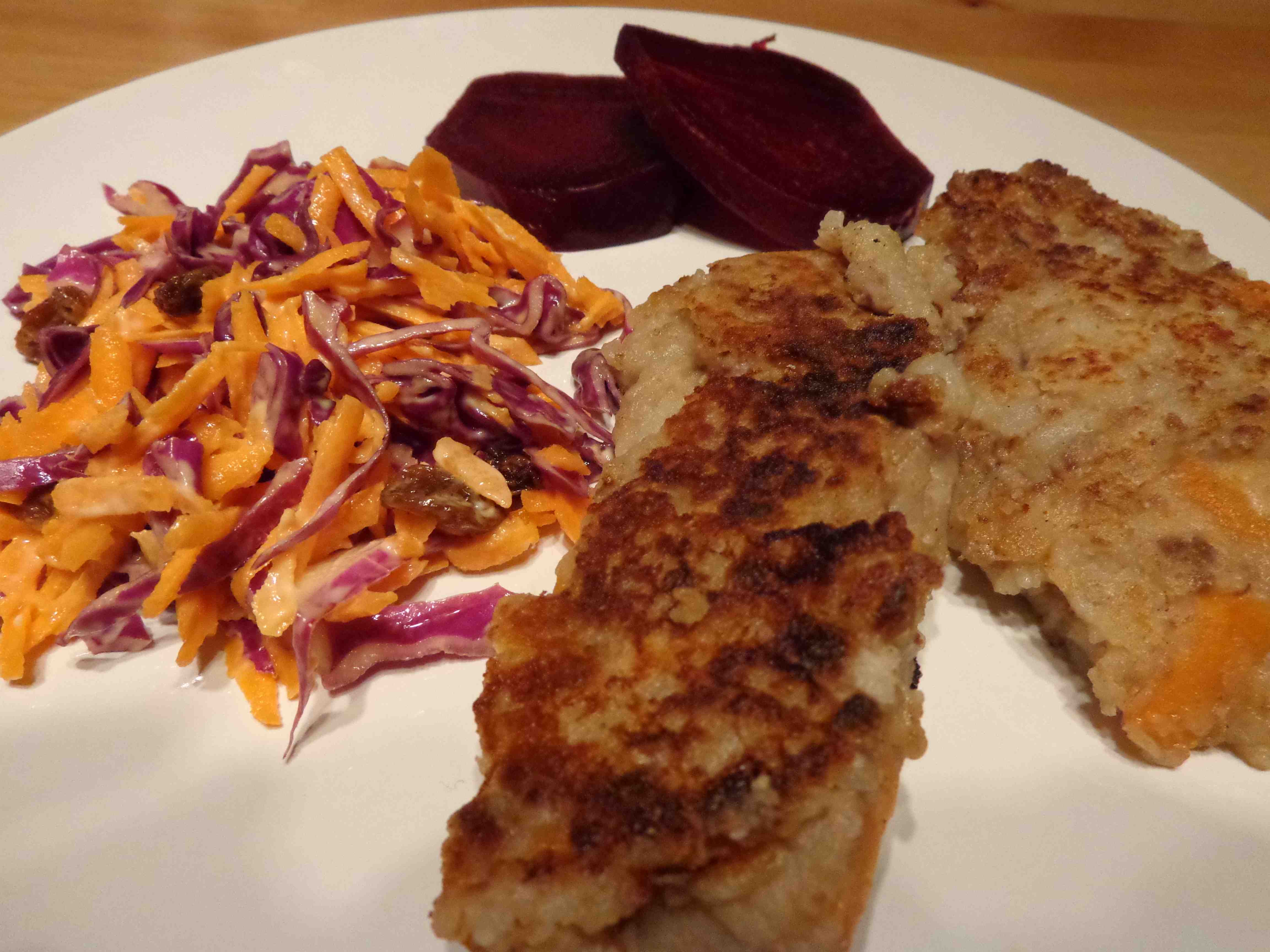
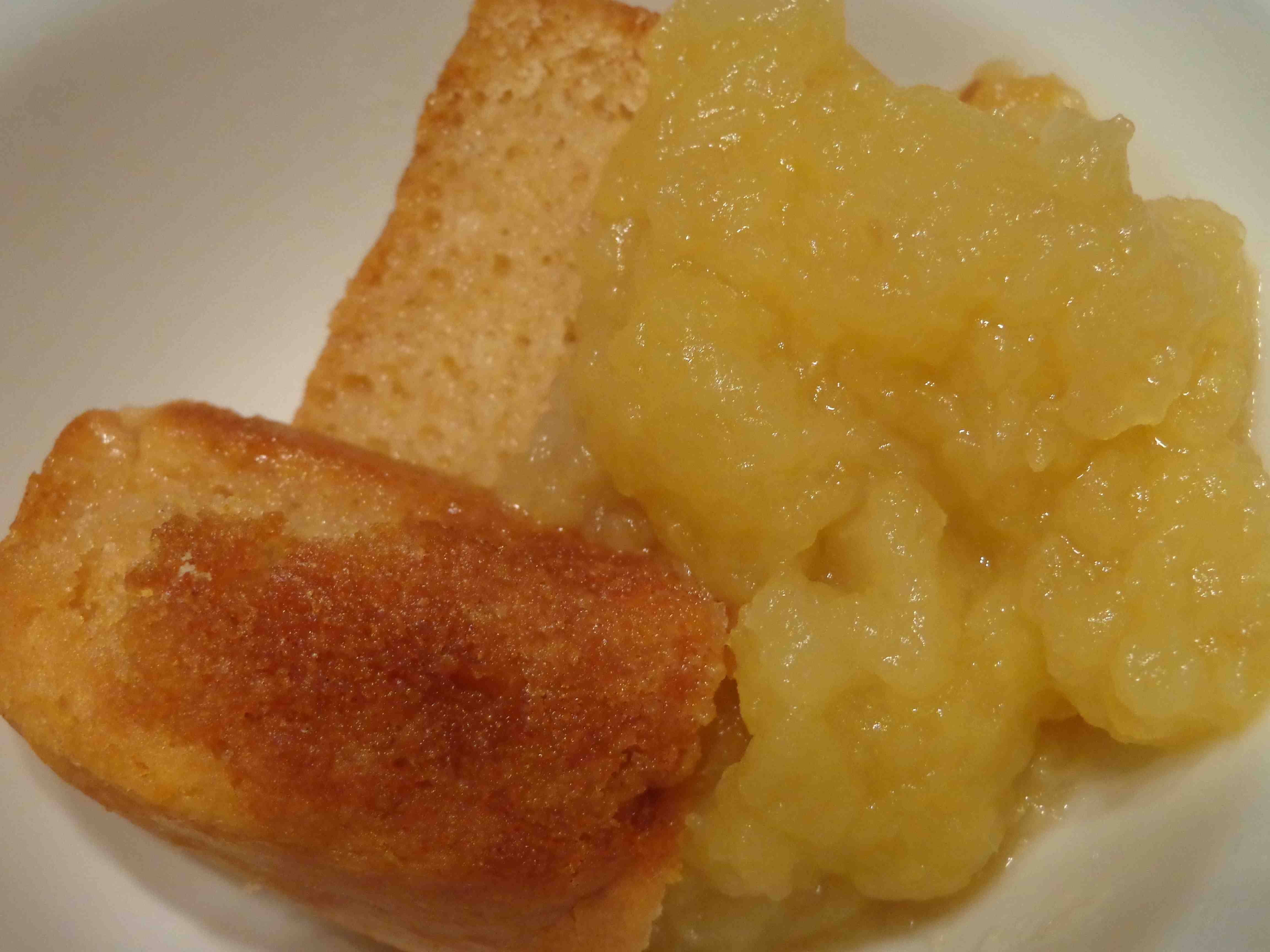
A very simple meal for dinner this evening: soup, corned beef hash and pear crumble. The hash was very simple and tasted better than it probably looks in this picture. Next time I make it I think I might add some onions.  And my husband insists corned beef hash isn’t corned beef hash if you don’t add a splash of hot sauce!

* * *

Continuing with Anne’s memories of being evacuated to Kippen with my mother Mary, I asked her about some of the houses they lived in. I remember my mum telling me that they lived in the attic in one of the homes and she had to haul buckets of cold water up to the top floor to wash my brother’s nappies. What were Anne’s memories?

anne2013We stayed in a total of 4 different houses in Kippen. The first was on the main street, with a woman and her child (maybe her husband was in the Forces). I can’t remember much about the cooking facilities there, but do remember the kettle and one large pot of black iron, both 10-12″ high which were used on trivets on the living-room fire. (As I said before, we had oil lamps and battery-run radio.)

The next house was also on the main road and that was the attic one. One large attic room was already occupied by a lady of Mary’s age, called Mary T, and the two Marys were friendly.  Mary T was an amusing companion and a great mimic, the sort of person who can keep you laughing , so it was sad to learn later that she died of TB when she was 28. Mary and your brother slept in the other large room, and I had a sort of cupboard on the landing with a skylight, and a little camp bed only inches off the floor.

House no. 3 was right on the edge of the village and more than a mile from the centre in an area or sub-village called ‘Cauldhame’, so I had a very long walk to reach the bus-stop to take me to school in Balfron, and in the winter suffered from chilblains. Living there was OK because I’d made a friend of one of the village girls nearby. Her father had worked for the railway company and on retirement had bought a railway coach for their retirement home. That was interesting. But I can’t remember much about the inside of the house – maybe we weren’t there for very long, though its setting just beside a little wood with a stream was very pretty, so games like ‘Sleeping Beauty’, Robin Hood and Babes in the Wood were believable.

The last house was the most modern – a block of 4 flats in pale coloured masonry. We had the upper flat on one side, so there was a big flight of stairs behind the ‘front door’.  The occupier was a Mr T, a big, bluffly cheerful man who was the local gravedigger and presumably acted as a general groundsman when there was no-one to bury. He was kind and always in a good mood. I think Mother had him to stay a few days at Byres Road at least once – to see the Big City. We shared the living room with him, and Mary and I were in a double bed in a bedroom.  It was the most spacious of our billets.

Wartime Rations – Day Twenty-Two

Week Four – I’m in the homestretch.

The disadvantage of words like ‘rations’ or ‘diet’ is the assumption it immediately creates of privation and hunger. Rationing in Britain was introduced to prevent both those circumstances. It was essential to the war effort that the civilian population was well fed so they could work in the factories and take on extra duties (eg. Air Raid Wardens) if Britain was going to win the war. And it was so successful that by the end of the war people were consuming approximately 3,000 calories per day!

But – I have to confess – when I weighed myself this morning, I discovered I’ve lost a total of 7 lbs in the 3 weeks I’ve been eating wartime rations! Seven pound weight-loss eating pudding every night and never feeling hungry!

Another confession.  I wobbled on my rations this afternoon. I was out for lunch and had a ham/lettuce/tomato and cucumber sandwich, even though the last three ingredients weren’t available in wartime Scotland in January. Next Monday – I can’t believe I’m saying this! – I’m looking forward to enjoying a tomato, cucumber, red pepper, celery and broccoli salad.  With a fresh orange to finish!

But for tonight, dinner was genuine January wartime rations: homemade vegetable soup, cheese dumplings with coleslaw and brussels sprouts, and apple crumble.

dinner

* * *

Anne, my mother and brother moved to Kippen from Glasgow to avoid the bombing and this week she’ll be answering my questions on her experiences as an evacuee.

anne2013When were you evacuated and how long did you stay in Kippen? Shortly after Clydebank*, and I was there for about 2 years 6 months. To begin with I was in the village school for a few months until the ‘Qualifying Exam’ (like the later ’11+’); a nice overstretched headmaster  had to cope with all these extra pupils because Glasgow’s Hyndland School was moved ‘en bloc’ (teachers as well) to the village around Balfron, which was the secondary school centre.

What was the village like? Kippen was isolated on a loop road off the main Glasgow-Stirling road, so it was quiet with no passing traffic. It formed a cross with houses along three of the roads, and there was a stone cross at the centre. No side-roads – the fields began behind the little houses. I was surprised when I went back, out of nostalgia, in the early 1990s to see that little had changed – in fact the only change in the centre was that the Post Office had moved from one side of the main street to the other, and that was all except for a sort row of houses which had been built since I’d last seen it in the 40s.

*Clydebank Blitz – March 13/14 1941

Kippen – A village 20 miles north-west of Glasgow. Scotland.

Wartime Rations – Day Twenty-One

Long – long – blog tonight, so let’s get started.

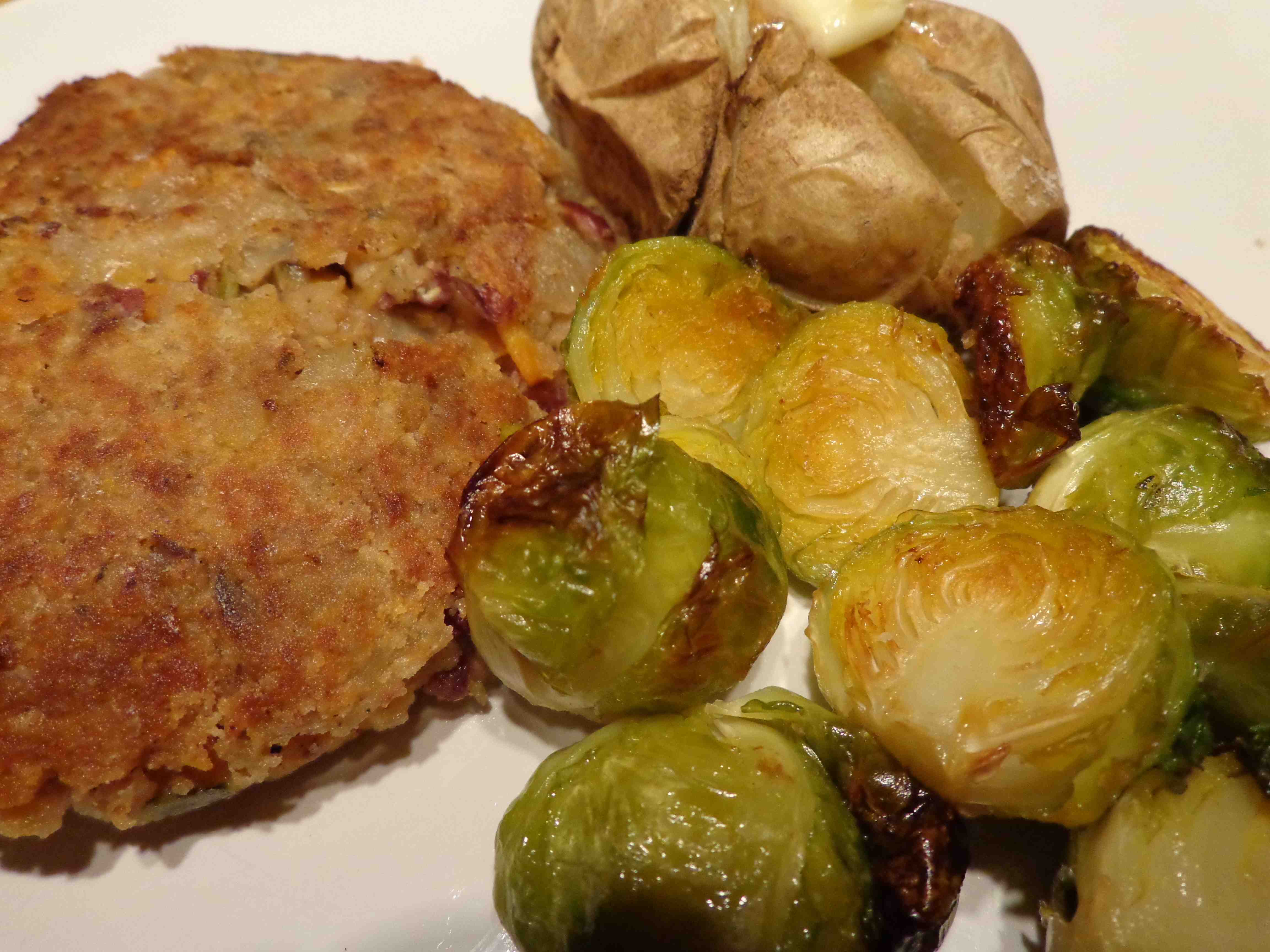
Dinner tonight was leftovers – again!  This time, Haggis burger with roasted brussels sprouts and baked potato. For pudding, baked apple stuffed with honey and raisins.

brusselsshortbread

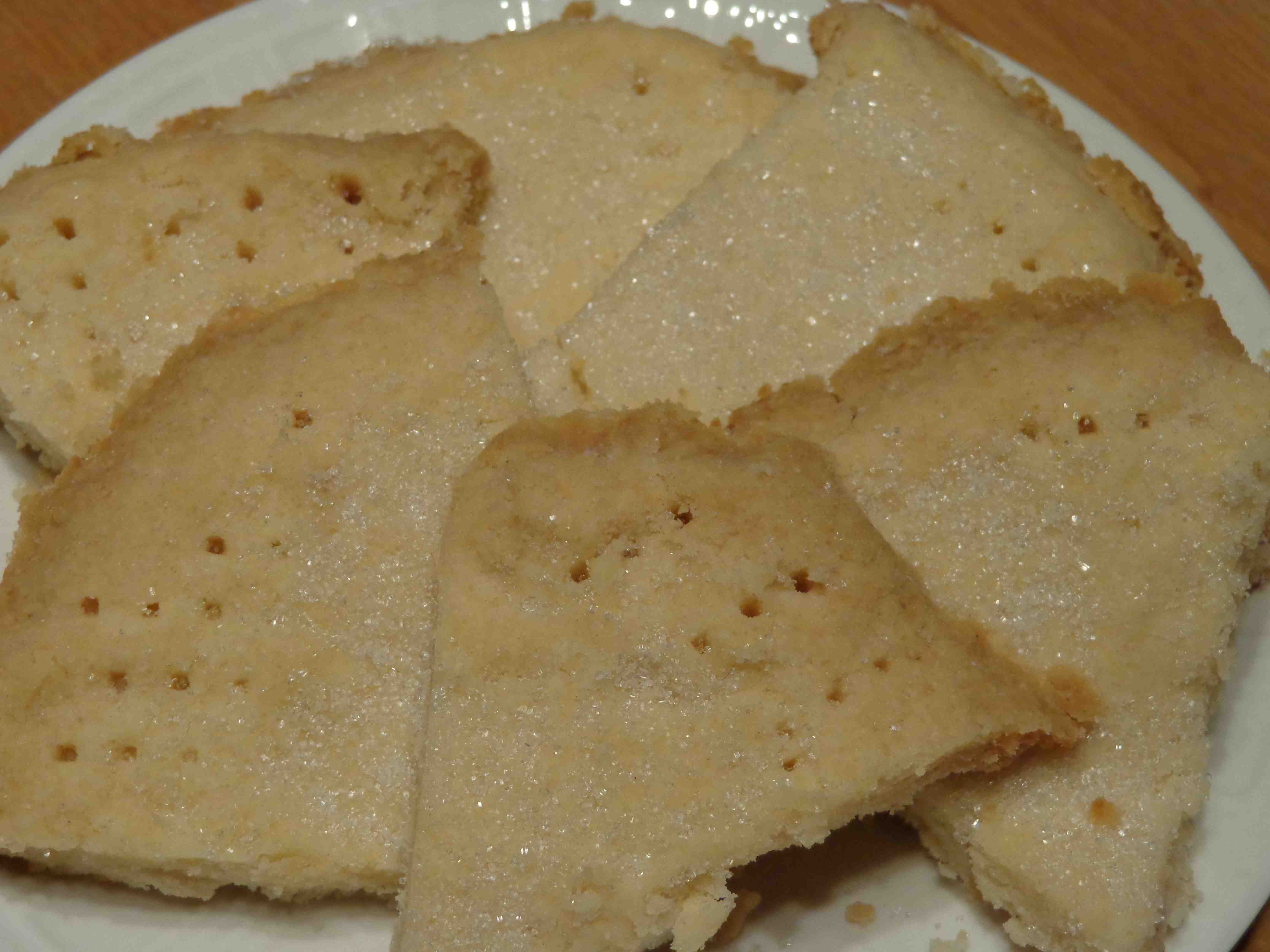
In honour of Burns Night yesterday, I tried to bake some shortbread – my first attempt in about 30 years.  Although they don’t look very pretty – next time I’ll use a pastry cutter! – they tasted good.  At least, the small portion I managed to rescue did. About three seconds after taking this picture, I knocked the plate on the floor. Let’s just say that if dogs can smile, mine had a grin from ear to ear, with shining eyes and a very waggy tail to match!

Although I could laugh it off, in wartime it wouldn’t have been nearly as funny.  Making the shortbread took up 1/10 of our fat allowance for the week. When resources were scarce, that would have been no laughing matter!

* * *

Moving on…

hshopAs promised, here –  for my husband’s colleagues who can’t believe I’m bringing in a grocery shopping for two at around $60 per week –  is my menu, shopping list and bill for this week’s rations. Please remember this isn’t absolutely everything I need for my weekly menu – I already have staples like flour/tea/treacle/sausagemeat etc. on my shelves and in the freezer.

Also, the bill has been adjusted to show the price of my actual rations allowances.  Some things – like bacon – I could only buy in a large packet so I had to remove the bacon allowed for this week and freeze the rest.

Main Course: Haggis Burger, Cheese Dumplings, Sausagemeat Loaf, Steak and Pot Pie, Steak and Pot Pie leftovers, Bacon Turnovers, Corned Beef Hash, Toad-In-The-Hole

Pudding: Breton pears, Padded pudding, Dark Gingerbread, Welsh cakes, Apple crumble, Pear crumble, Bread and Butter Pudding, Baked Apples.

SHOPPING LIST:

Rations (for two):

Bacon – 8ozs 226g:  $3

Meat –  1lb/455g: $3.96 (Stewing steak)

Milk – 12 pints/6.8 litres: $9.99

Cheese – 4ozs – 112g: $2.50

Butter/fats – 1 lb /455g : $3.49

Sugar – 8 ozs/224g: $0.44c (It should be 1lb between the two of us, but I’m still haven’t used up our first week’s sugar ration.)

Eggs – 8 (2 shell and 6 powdered) $1.86

Preserves: 4ozs/112g:  $1.00

Non rationed food:

Sausages: $2.50

Corned Beef: $4.83  (on points when available!)

Bread: $3.29

Potatoes: $3. 98

Carrots:$3.99

Beetroot: $1.72

Leeks: Not available – it’s wartime.

Apples: $3.98

Pears: $5

Strawberry Jam:$1

Red cabbage: $2.29

Onions: $2

TOTAL: (IF my maths is correct!) $60.82Cdn: $54.96US: $63.25 Australian: 33.36GBP

As I said, I do have some staples already on my shelves and veggies left over from last week, and when I figured out the price of my morning porridge, without milk it comes to 14c per portion.

So it is possible to eat a very healthy, filling diet on a budget  But if you’d like to read more about eating well and cheaply, please check out THIS website.  Jack Monroe is a 25 year-old single mother who found herself forced to feed herself and her child on 10GBP a week.  ($18.23Cdn:$16.48US: $18.96Australian)

Wartime Rations – Day Twenty

January 25th. Robert Burns Day.  Even eating wartime rations, there was no way I could let today pass without a nod to Scotland’s famous bard. But haggis?  Was it even available in wartime Scotland?  My grandparents were English and didn’t celebrate Burns Night, so Anne was unable to answer that question for me.

haggisSo I checked out vegetarian haggis recipes online and decided upon this one from The Guardian newspaper.  The recipe included mushrooms (available in the summer), red kidney beans (available on points) and a lemon (very – very – hard to come by and probably only afforded by the rich), so it was a bit of a wartime cheat. It definitely smelled and looked like haggis, but although it tasted great (my husband gave it 8/10) it didn’t taste like any haggis I’ve ever eaten before.

scones

Staying on the Scottish theme, I decided to make some potato scones to go with our mid-morning cup of tea today. I haven’t made these since I was in Miss Lennie’s cookery class back in the day, but straight out the oven with butter melting on them… excellent.  And easy!

My husband’s work colleagues know he’s been eating wartime rations with me, so every morning he goes in to work he has to recount our meal from the previous evening. What they don’t quite believe is how cheap my weekly food shopping has been for the two of us over the past few weeks – around $60Cdn.  ($54.22US, $62.22Australian, 32.85British pounds.)

I’ve worked out next week’s menu and pulled together a shopping list. I’m heading to Safeway tomorrow morning, so will have an itemised bill to show you to prove (hopefully!) that you can eat really well and cheaply.

Wartime Rations – Day Nineteen

No new food photos today as I’m still working on leftovers.  However… I can promise a ‘treat’ tomorrow. January 25th is Burns’ Night, and as I’m a Scottish Canadian, I’ll be attempting a vegetarian haggis recipe that just might have been possible during the war.

(If anyone has any information on what Scots did on Burns’ Night during the war I would love to hear from you. Anne’s parents were English, so it’s not something they ever celebrated.)

Straight on to some of Anne’s other memories. Here are answers to a few random questions I asked.

anne2013Was there enough paper for school jotters? Yes, but the quality of paper became very bad as time went on; rubbing out became quite a problem.  Paper (like everything else!) was in short supply everywhere, newspapers slimmed down sometimes to only two sheets (4 pages, that is) from ten or twelve. The writers and reporters were given the slogan ‘Boil It Down!” to keep their items short. Books too – the paper was really dreadful.

What did you do during the war for presents and birthday cakes? I used to be given half-a-crown to buy five 6-penny presents for my siblings – usually sweets with my unwanted sweet coupons. I’d have to save up pocket money for gifts for Mum (e.g. a pretty ornament) and Dad (a fishing fly or ciggies).

Auntie Bessie (in England) was wonderful: she would occasionally have saved enough ‘points’ and rations to make and send us a fruit cake, and she was a great baker.

Wartime Rations – Day Eighteen

Dinner tonight was two very simple courses.

mince slicesMain course:  Mince slices, from a recipe in We’ll Eat Again, using the last of the mince I cooked the other day. Mix together the mince (or any cooked meat) with mashed potatoes and breadcrumbs, turn onto a floured board, cut into slices and either fry or grill for about 8 minutes. Comfort food on a cold day.

Dessert: Fresh pear.

* *

What was it like being evacuated to a new school and then going back to your ‘old’ one?

anne2013For the first few months I went to the Kippen village school and sat the ‘Qualifying’ exam. It was fun, though the poor headmaster didn’t know what had hit him with all these new pupils that he could hardly accommodate. No wonder he appeared so distracted. Then he got another blow: pupils MUST have PE twice a week. He couldn’t accommodate that either and told us it would have to take place in the playground – weather permitting. As for gym shoes – “Dinna’ bother. Any old bachles will do.” I can still hear his voice.

As you already know, I almost hated Hillhead School and found Balfron with its many teachers from Hyndland much easier going, and I did well there. Back in Glasgow, it was back to Hillhead but this time the Secondary School which was just as bad as the Junior one. Then my parents gave me a choice: two more years at Hillhead or one year at the Glasgow and West of Scotland Commercial College in Pitt Street. Of course I opted for a year at the College – so here you see a woman with no school certificates whatever – not even the Lower Leaving one. (Partly because I’d had to repeat a year in junior school because illness had kept me away for nearly 4 or 5 months.) Still, I got by.

Wartime Rations – Day Seventeen

Tonight was an evening of leftovers, and struggling to not make them look like leftovers! Also, I’m trying to eke out our meat ration – one pound between the two of us for the week – over three meals.

Main course, cottage pie (mince topped with mashed potatoes, heated in the oven, then sprinkled with cheese and browned under the grill) with carrots and beetroot.

dinnerpudding

For pudding, the remains of the syrup cake I made the other day, with stewed apples and apple juice (liquid left over from stewing the apples) on top. My husband poked it with his spoon a few times, not too sure about the combination, but we both really enjoyed it.

I’m really interested in the war from a child’s point of view, so asked Anne some more questions about her schooldays. What was it like having to take her gas mask to school every day? Did they have air raid drills?

anne2013(Taking a gas mask to school was) a nuisance; it was on a string or tape over my shoulder. I never had a back satchel like many of the pupils; I always had to carry an attaché case – and over a mile to walk to get the school bus from Kippen to Balfron. But talking about the school bus: one day the bus didn’t arrive at 4 to take us home, and eventually we all started walking.

The two girls with me were all for getting to the front, but I encouraged them to hang back till we were the last of the crowd by quite a distance – I’d figured out that something would come up behind us to give us a lift! And so it turned out and we were able to wave to all the eager beavers ahead of us.

Air raid drills?  Oh yes, quite a lot to begin with, but they gradually tailed off.

Wartime Rations – Day Sixteen

Although I’m tending to have the same for breakfast and lunch every day – porridge, soup, sandwich/salad and fruit – I’m trying not to repeat evening meals.  At least the main course. So far I’ve been fairly successful.

beetrootThis evening (bracketed by soup and bread-and-butter-pudding) we enjoyed a homemade hamburger – 2 oz of minced beef from our 8 oz rations – mixed with breadcrumbs, chopped onion, seasoning and a little HP sauce to pull it all together. Along with that I made fresh beetroot and stoved potatoes (potatoes, onion, milk, seasoning, butter). I’ve never made the latter before, but they are almost identical to scalloped potatoes, only made in a pot on top of the stove instead of the oven. Fast, easy and tasted really good.

Following Anne’s mention yesterday of the Americans arriving in the UK, I received a question asking more about her memories of that time.

anne2013Can’t remember much about it. I suppose the main influx of US troops arrived sometime in 1942, but I would have been in Kippen, I think, for most of the time that forces were building up in Britain towards D-day. There were no US troops in Kippen! By the time I went back to Byres Road I was aware of them, of course, wandering in twos and threes around the city. I have the feeling they were mostly new arrivals or ‘on leave’. At least one of the big hotels, at Charing Cross, had been taken over as a residential US Army club, and most were to be seen around that area. I was still very young – about 13/15 – ages in those days still regarded as ‘children’* innocent of the world, and I gave them little thought.

*As somebody so rightly said, ‘The past is a foreign country – they do things differently there’. Certainly we were allowed to be children’ for much longer.

There had been severe warnings from Mother of course, but about soldiers in general, with US ones regarded as more dangerous because they had so much more money! So I was steered clear of them.

But I’ve found a BBC article which gives a lot of info, so try that. The article’s title is ‘How the GI influx shaped Britain’s view of Americans‘.

There’s also a great film called ‘Yanks’ which is worth checking out. This isn’t the best clip from it, but it’s the only one I could find on Youtube.

http://www.youtube.com/watch?v=LR7VUQNMf5w

Wartime Rations – Day Fifteen

I’m now officially addicted to wartime ‘oatmeal’ soup –  although it should probably be called leek and carrot soup as the oatmeal is only added to thicken it. Anyway, I made a big pot at lunchtime and there was plenty left over for dinner this evening.

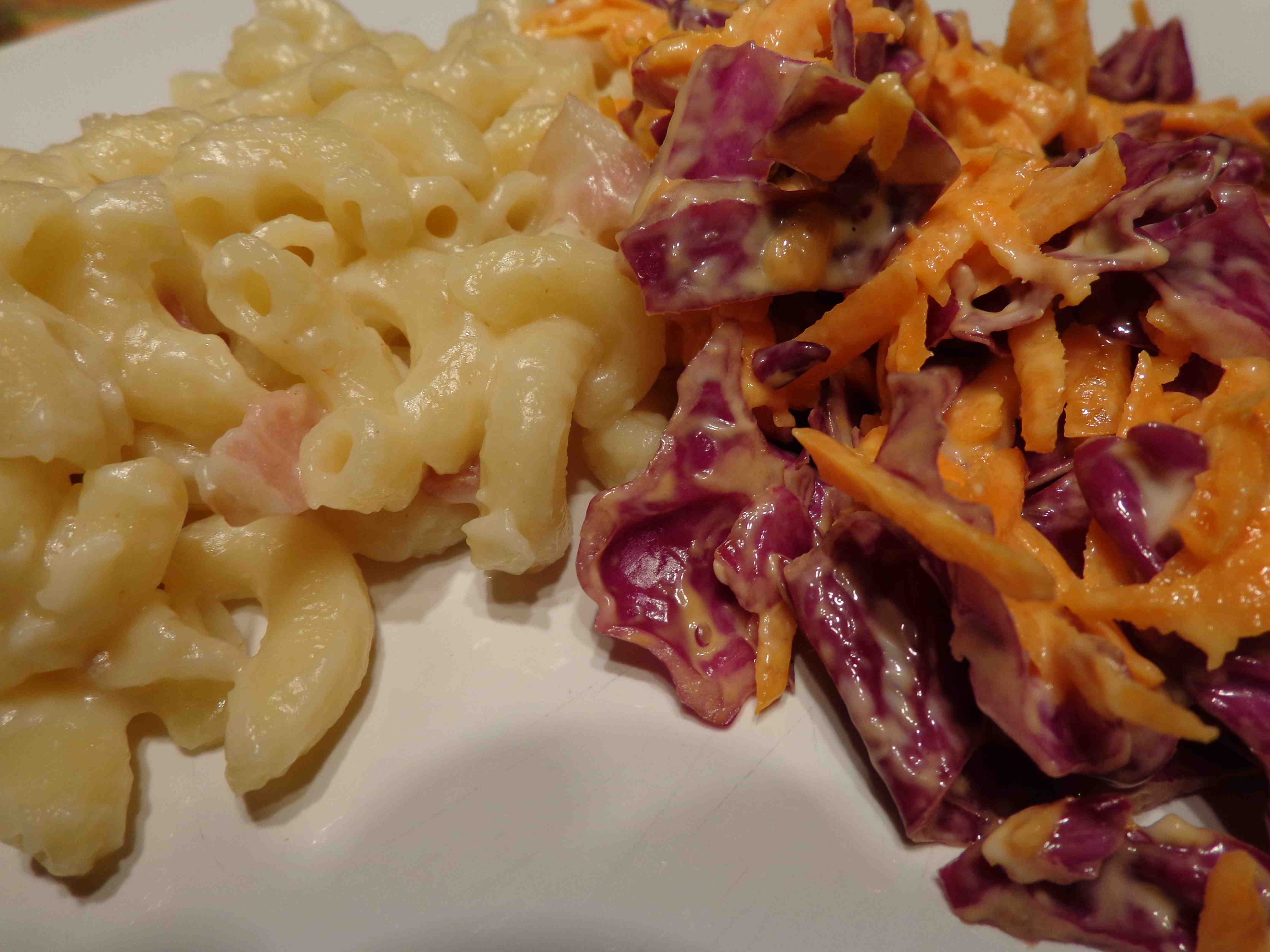
MacaroneFor dinner, macaroni and cheese – adding a rasher of bacon and half a fried onion for a bit of flavour – with red cabbage coleslaw on the side. Very tasty.

Then, instead of pudding, and given that I still have 1/2 a jar of golden syrup left, I decided to make a syrup loaf. You’ve got to know that I haven’t made a cake in years, so I wasn’t holding out much hope for it. Especially when I saw the recipe. I was under the impression you needed fat, eggs and sugar along with flour to make a good tasting sweet loaf… but apparently not.

The picture doesn’t do the loaf justice because it tasted really good. And easy! The recipe comes from ‘We’ll Eat Again’ – Marguerite Patten’s recipes from the war years reissued by the Imperial War Museum.

SYRUP LOAFsponge

Cooking Time: 30 minutes.  Quantity: 1 loaf.

4 oz self-raising flour, or plain flour with 2 teaspoons baking powder

1/2 teaspoon bicarbonate of soda

pinch salt

2 tablespoons warmed golden syrup

1/4 pint milk or milk and water

METHOD: Sift flour or flour and baking powder, bicarbonate of soda and salt. Heat the syrup and milk or milk and water, pour over the flour and beat well. Pour into a well greased 1 lb loaf tin and bake in the centre of a moderately hot to hot oven (200C) for 30 minutes until firm.

anne2013Having talked about going to the cinema during the war last week, here are Anne’s memories of going dancing in wartime Glasgow.

Going dancing was the prime evening entertainment and Glasgow had lots of dance halls – the biggest one was the Green’s Playhouse in the city centre; Mary and Connie* used to go to the Plaza on the other side of town, but when it came to my day, I liked the smaller Astoria at Charing Cross even though it didn’t attract the big name bands. I loved dancing. I didn’t go to find a feller – I just wanted to dance, so kept my eyes open till I saw one dancing well, and when it came to a ‘Ladies’ Choice, there I was in front of him – didn’t matter what he looked like. Of course, we were doing real ballroom stuff – foxtrots, quicksteps etc and it was all very sedate. Hands had to stay where they ought to be – if they didn’t the MC (Master of Ceremonies) or one of his minions would have a word with you and if that didn’t work you were encouraged to leave. When the US Army moved in we were introduced to mild jitterbugging, and I enjoyed that too.

*Two of Anne’s sisters

Wartime Rations – Day Thirteen

With it being the weekend, just food and photos tonight, no wartime memories from Anne or videos.

[arsnipStarter:  Cream of Parsnip soup. One pint of stock, one shredded parsnip, half a shredded leek, a little flour and  milk to thicken, then milk to taste instead of ‘cream’. I was going to say there was no cream in wartime, but of course there was. I well remember cream at the top of the milk bottles delivered to our back doorstep in the morning growing up – even though that was a long time after the war ended, I hasten to add.  It was always a rush to get to the bottles before the birds pecked open the silver tops.

hotpotMain Course: Lancashire Hotpot with boiled shredded cabbage. I boiled red and green cabbage together which resulted in the lilac appearance. Looked a bit odd, but taste fine. Especially with a splodge of butter.

pud

Pudding:  Ah, pudding. Our evening meal isn’t complete without dessert these days. I haven’t had a syrup pudding in for-e-ver – my mum used to make them all the time and they were wonderful –  but having bought a jar of golden syrup at the beginning of the week with my ‘points’, tonight seemed the perfect time to give it a go. It involved making a simple cake mixture – flour, butter and sugar – which I mixed with a REAL egg rather than my powdered ration. You then steam the pudding in a bowl for an hour (I only used 1/2 the recipe so it was less time). My mum used to have this great metal bowl with a lid on it that locked everything in. Today I struggled to seal the bowl with some greaseproof paper and string. And I mean struggle. I finally gave up – this being the 21st century there had to be a better method – and used an oversized rubber band.  (I can see you smiling already and giving me ‘that’ look, yes, that’s it, the same one my husband gave me about an hour ago when I told him what I’d done.)

Okay, okay, the band broke in the boiling water, breaking the seal and letting some water in. As a result, the pudding was a bit ‘heavy’… but, boy, it tasted good!

I wonder where you can buy those pudding bowls with lids these days…