All you need to know about Scotland in four items!

GTrayI’m excited to have  Sarah Kades writing on my blog on Wednesday.  She’ll be talking about her visit to Scotland, so I’ve decided to keep with the ‘theme’ and examine a little about the history of Scotland today and some of its great writers on Friday’s post.

Arriving in a Glasgow hotel room, we found the following four items waiting for us; a bottle of Scottish spring water, a bottle of Irn Bru, a Tunnock’s Caramel Wafer and an apple. My husband commented that those four items told you everything you needed to know about Scotland, so although I might be stretching things a little in places, here I go!

waterWATER: As part of an island nation, Scotland is surrounded on three sides by water. The sea has exerted a great influence on the country’s history and culture. It has brought invaders (Romans and Vikings), Christianity and commerce (fishing, sugar and tobacco trade, oil and gas) to its shores.

For an island nation, it also harbours over 790 offshore islands within its total boundary, the main ones being Shetland, Orkney, and the Inner and outer Hebrides, but there are plenty more.  The Isle of Arran, which I’ve written about before, is only 2 hours travel west of Glasgow and known as Scotland in Miniature.

Because of its latitude, Scotland should experience similar winters to Scandinavia, but the presence of the Gulf Stream protecting its shores means that even in winter you can always find palm trees on the west coast.

Don’t forget the water which is essential in whisky making – uisge beatha – literally the water of life, or the rivers and streams famous for their salmon.

And… oh yes, it does rain in Scotland.  Sometimes quite a lot.  But that’s what makes it such a lush, green and beautiful place.

irn burIRN BRU: A local soft drink, produced since 1901, it continues to outsell the giants – Coke and Pepsi – in Scotland. As such, I think it symbolizes the uniqueness of Scotland and its people who posses a real warmth and friendliness – but also a bloody-mindedness.

Over the past few hundred years, Scotland’s influence on the world has been way out of proportion for its size of population. Although many factors are involved, some credit is often given to John Knox, an influential Presbyterian minister, who insisted that every single child in Scotland (rich or poor ) learn to read the Bible. An educated population gave Scotland a huge advantage during the Enlightenment and Industrial Revolution.

According to Wikipedia, 75% of US presidents can claim some Scottish Ancestry, and the first permanent settlement in America – Jamestown – was named after a Scot.  (King James VI of Scotland/I of England.)

Scots make up the 3rd largest ethnic group in Canada and the first prime-minister of the Dominion was Scots-born Sir John A. MacDonald.

caramelTUNNOCK’S CARAMEL WAFERS: Like Irn Bru, Tunnock’s is a successful Scottish company, created in the 19th Century and still going strong. (It’s also one of the few food companies who continue to refuse to make ‘own’ label products for supermarkets.)

Much has changed in the Scottish economy since I was a child. At one time, Glasgow was known as the Second City of the Empire because of its strong industrial base and I still remember the fading days of shipbuilding, steel, coal mining, car manufacturing, sewing machine manufacture and railway engine building in the Central Belt.

That has all gone now.  Modern industries include Oil and Gas, Banking and Finance, Computing and Pharmaceuticals while the traditional agriculture, forestry, fishing – and let’s not forget whisky! – continue to flourish.

appleAPPLE: Hmmm.  Scotland’s diet is not the healthiest in the world – remember that this is the country that gave the world the ‘Deep Fried Mars Bar’!  Even a Scottish government report admits that the Scots’ poor diet is the second major cause (after smoking) of poor health.

But… Scottish food is amazing.  Here’s just a ‘taste’ of what’s on offer.  Haggis, Cullen Skink, Finnan Haddie, Smoked Salmon, Black Pudding, Mince and Tatties, Square sausage, Stovies, Blaeberries, Lanark Blue Cheese, Cranachan, Marmalade, Oatcakes, Butteries, Tablet, Tattie scones, Shortbread, Heather Honey.

So there you go, a brief  look at Scotland through four items found in my hotel room.  But there’s so much more that I haven’t even touched on. The scenery for one thing.  It truly is gorgeous.

I guess there’s only one thing for it – you need to come here and see it all for yourself!

Elinor Glyn – Part Two – At Montacute

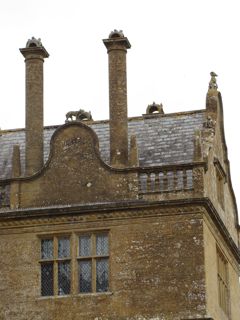
MONTACUTE4Montacute House is a late Elizabethan house in the village of Montacute in Somerset, England.  Its original owner, Sir Edward Phelps, was the prosecutor during the trial of the Gunpowder Plotters, who included Guy Fawkes.

The Phelps family owned the house until 1929 when it was put up for sale, valued at 5,882 GB pounds ‘for scrap’. Fortunately it was bought by the grandson of Thomas Cook (of the travel company) and donated to The National Trust.

The house has been used in several films: Sense and Sensibility (1995), Elizabeth (1998) and The Libertine (2004)

MONTACUTE5So where does Elinor Glyn come in to all this?  Elinor lived at the house with her lover, Lord Curzon, for 18 months. Did Elinor hope to become Lady Curzon? Curzon was an ambitious man. A former Viceroy of India, he had dreams of becoming Prime Minister, but would the public have accepted Elinor in the role of Prime Minster’s wife?

MOTACUTE1Elinor was staying at Montacute awaiting Curzon’s return from London when she read in the Sunday papers of his marriage to a rich American widow.

Very hurtful and very humiliating.

But he never did become Prime Minister and she went on to find fame and fortune in Hollywood.


Guernsey

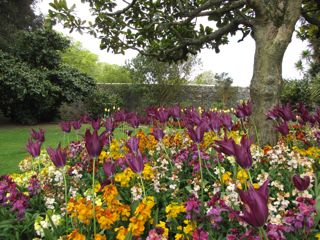
It’s April 1st, and I’m getting just a wee bit sick of looking out at snow. Oh, to see some greenery or colour! So I went through an old photo album and came across a few pictures I took on a trip to Guernsey a few years ago.

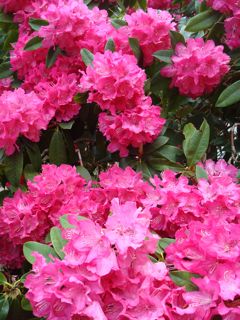
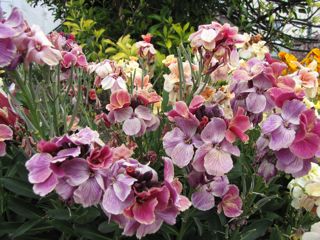
Closer to France than Britain, the Island of Guernsey is a British Crown Dependency. I’ll talk more about the island and its history in next Wednesday’s travel blog, but for now just enjoy some of the wonderful displays of flowers to be found there!  (And let’s hope spring arrives in Calgary soon!)

garden 2garden

roddiesmoneky


purlepink

Lamlash Cemetery – Part Two

In which I continue with my fascination with cemeteries, and particularly Lamlash Cemetery on the Isle of Arran

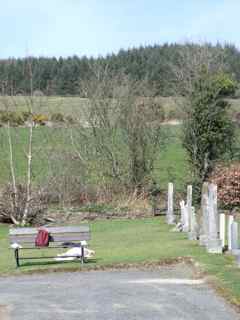
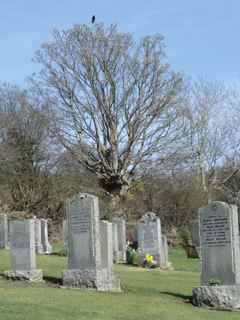
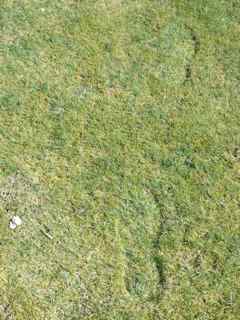
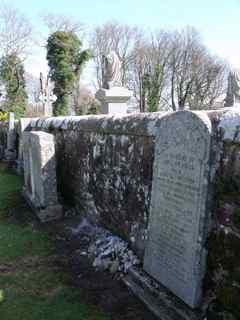
Other than gravestones, you never know what you’ll find in a cemetery.  A weary hiker sunbathing in his underwear just behind the bench… a crow (straight from a horror story perhaps?) perched atop a tree gazing down on his domain… or some rather creepy footprints embedded in the mossy grass.

Person         crow         footstteps

I did consider including some of the very beautiful contemporary headstones to be found, but decided against it. Some of the inscriptions were just a little too recent, and I would hate it if someone’s family member was to stumble on this blog and find a loved one’s marker. So you’ll just have to take my word for it – or visit yourself! – that there are some very thoughtful and moving memorials to be found.
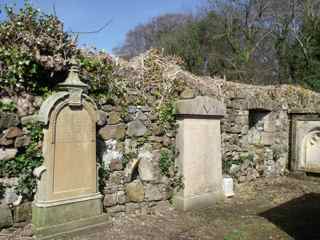
Making your way past the ‘modern’ cemetery, (which is where you will find the military gravestones illustrated in my first blog on Lamlash Cemetery) you come to the walls of the original graveyard.

old        ood2

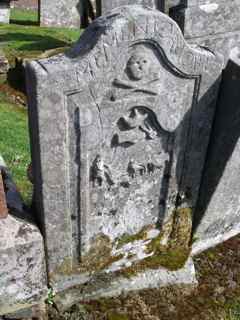
Amongst the more than one hundred or so gravestones ‘beyond the wall’, here are three of my favourites. The first one dates back to the 1700s and I find it interesting how the words roll into each other without a break. The inscription on the second, belonging to Lady Charlotte Erskine, eldest daughter of The Earl of Mar, intrigued me: ‘Where the tree fell, there should it lie’. Arran’s ‘gentry’ were the Duke and Duchess of Hamilton, so perhaps Lady Erskine was visiting them on the island when she died.

1700                     lady

As for last grave… well it’s certainly one I wouldn’t want to run into on a dark night!

skull


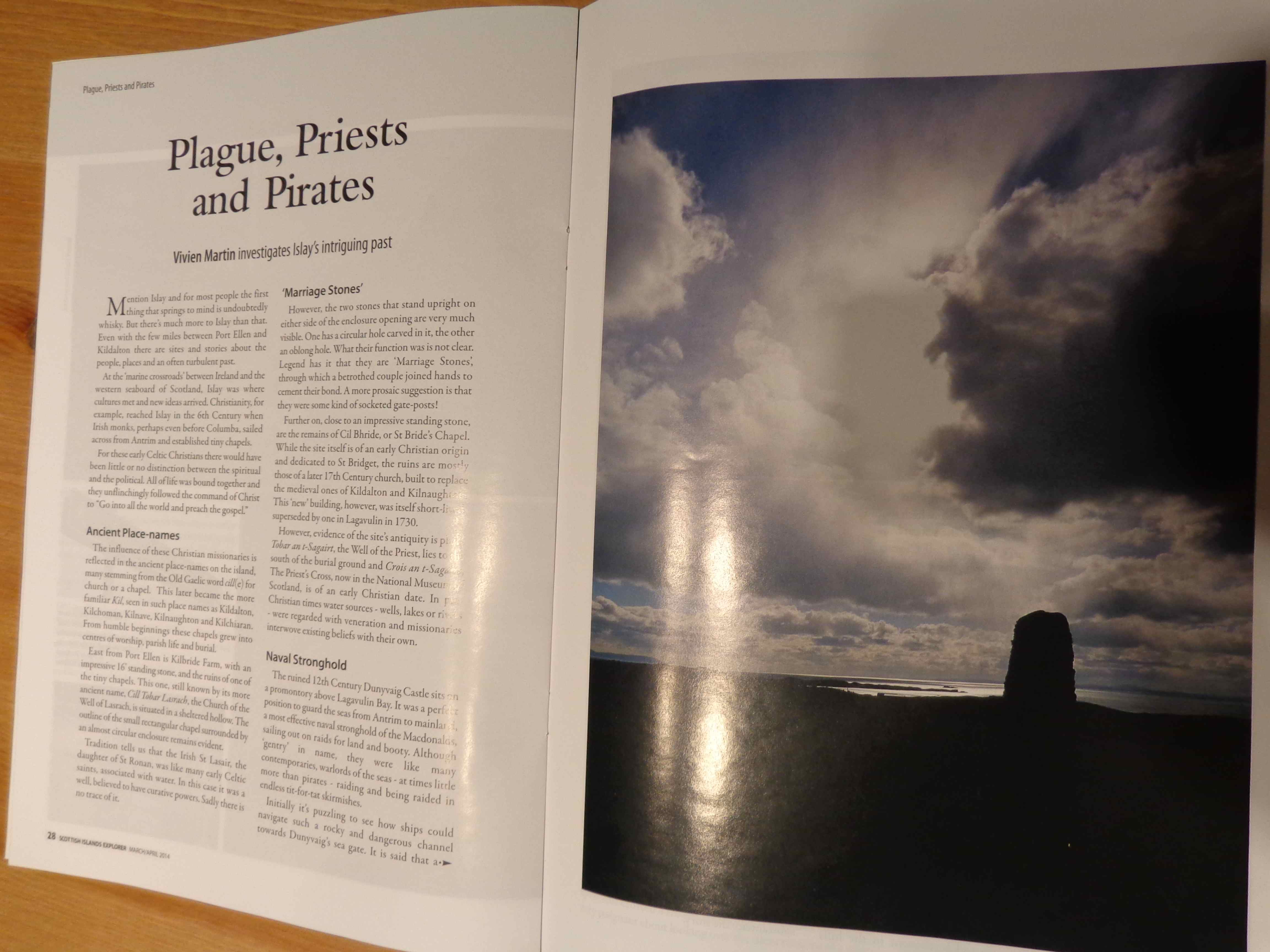
Island of Islay – Vivien Martin

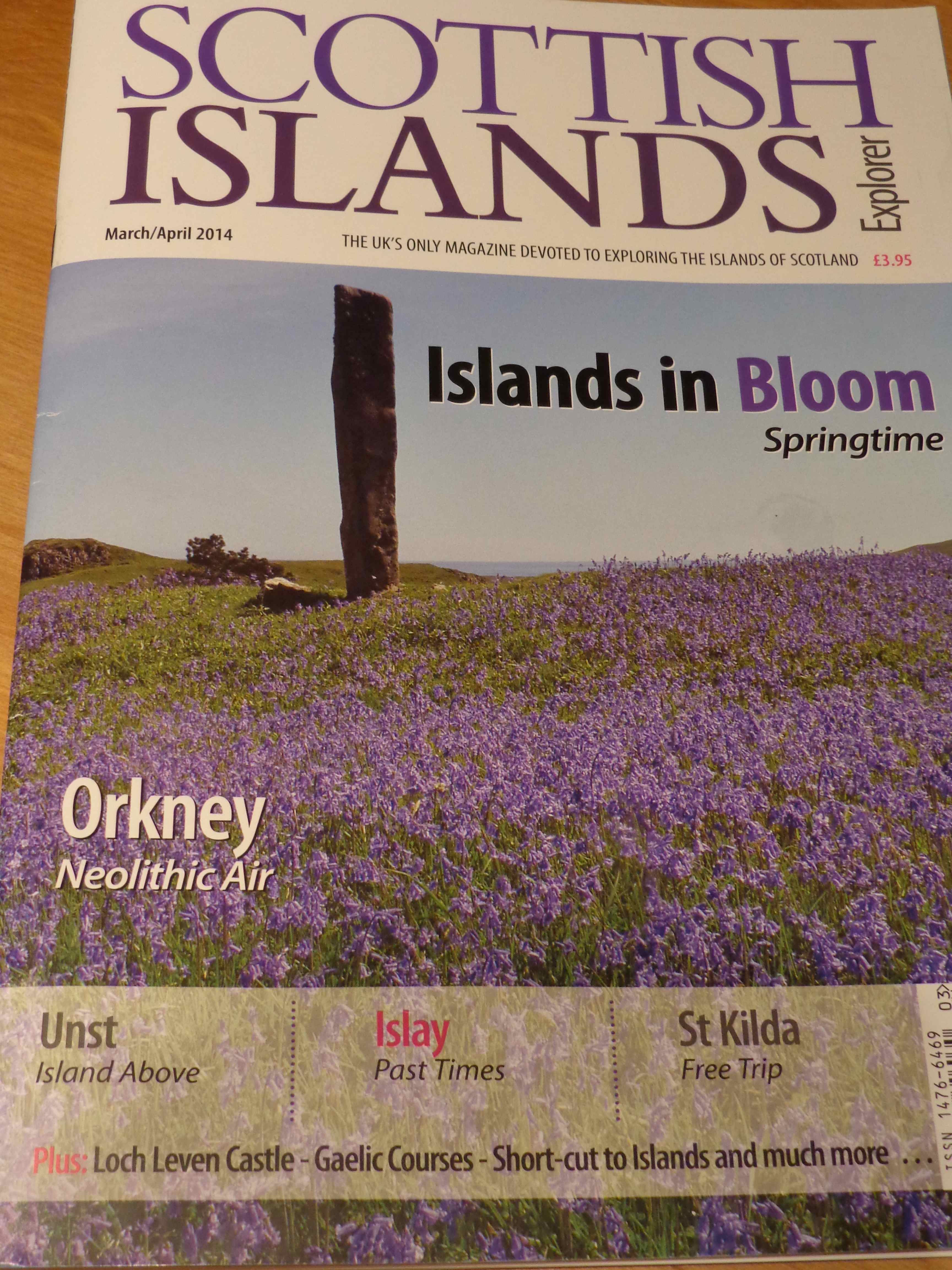
I’ve known Vivien since – ahem – First Year at Jordanhill School in Glasgow back in the ‘olden days’ of the 20th Century. As well as running her own publishing company and being a regular contributor to Scottish Islands Explorer magazine, Vivien is  currently coaching actors in Gaelic for auditions for Diana Gabaldon’s Outlander series presently being filmed in Scotland.

cover

According to Wikipedia, Scotland has a total of 790 offshore islands.  Although I’m Scottish by birth, I can – sadly – only admit to having visited four of them:  Arran, Bute, Skye and Mull.

The southernmost island of the Inner Hebrides, The Island of Islay, lies 40 km north of the Irish coast. With a population of 3,000, the island’s main industries are agriculture, whisky and tourism and was featured in the film The Maggie which led to a long-running series on BBC TV, The Vital Spark.

In her latest article in this month’s edition of Scottish Islands Explorer, Vivien offers insights into the history of the Island of Islay: Celtic saints, marriage stones, naval strongholds, ancient ruins, plague villages and shipwrecks.  Please check it out, and if you plan to visit Scotland, consider visiting this beautiful island.

page onepage two

Lamlash Cemetery

Given my fascination with graveyards and the fact that I discussed my visit to a Russian cemetery in my blog post last week, I thought I’d talk about one of my favourite Scottish ones today – Lamlash Cemetery on the Isle of Arran.

Arran is an island off the West Coast of Scotland, two hours from Glasgow by car/train and ferry. It’s known as Scotland in Miniature because anything you can find in Scotland – apart from a major city – can be found on the island. Four thousand year-old standing stones? Check. Iron Age Forts? Check. Mediaeval Castle? Check. Victorian Castle? Check. Palm trees. Palm trees?? Yes, palm trees. Check.

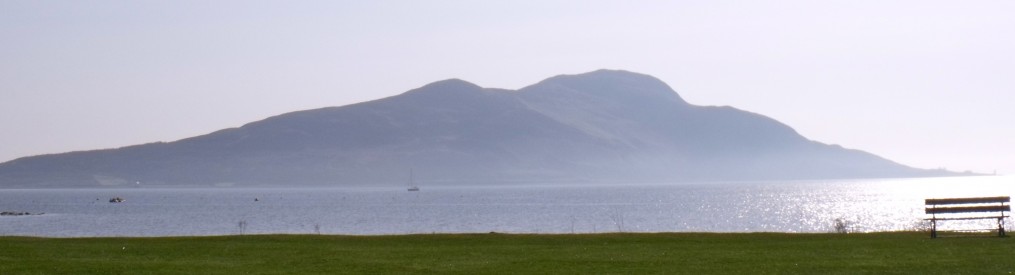
Lamlash Cemetery commands a stunning view. Situated on a softly rising hillside, it overlooks a golf course in one direction and the Holy Isle in Lamlash Bay in the other.

bay

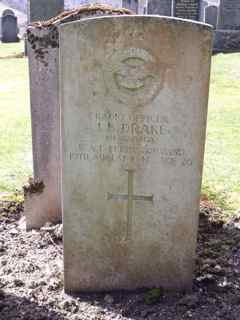
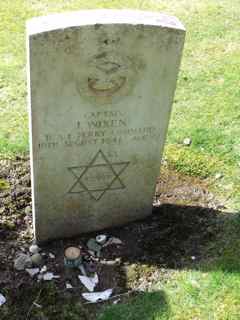
But as someone who loves reading about history of World War Two, what I find most fascinating about the place is a row of war graves. They commemorate the men of RAF Ferry Command whose plane crashed into a foggy mountainside on the island in 1941, shortly after taking off from the mainland. I’ve visited Arran every year since the age of seven, and on each trip I make a pilgrimage to the cemetery to wonder about the stories of the men buried there.

ROW

These were men of all ages, nationalities and religion. As well as the two Canadians whose graves are shown here, there was a third Canadian, two Americans and an Australian amongst the Brits. It was their job to ‘ferry’ planes from the factories in North America to Britain. They were returning to North America from one such flight when their plane went down.

DSCF1093DSCF1092DSCF1091

I don’t know if it’s true or not, but I ‘remember’ hearing a tale that, following the war, the family of one of the men wanted their son’s remains returned to his home. However, when they visited the cemetery and saw him buried by his comrades in such a peaceful location, they decided to leave him where he lay.

Kirsty Wark, a highly respected TV journalist and fellow Arran-ite, has written a novel which features the plane crash. Entitled The Legacy of Elizabeth Pringle, it is scheduled for publication on March 13th, so please check it out.

If you would like more information on the events of that crash, please click here and scroll half way down the page.

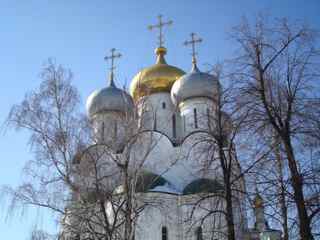
Novodevichy Cemetery

A few years ago I had the opportunity to visit Moscow. Growing up in the west in the 60s, 70s and 80s, for me Moscow conjured up the frightening May Day parades in Red Square, reported by the BBC, where the Soviet Union displayed its terrifying nuclear arsenal.

basil

So to actually visit …  Yes, I was scared, but also excited.

I’ve never cried in a museum before, but I cried in The Armoury Chambers of the Kremlin Museum. Unfortunately you’re not allowed to take photos in there, but if you ever want to witness the skill and imagination and wonders that human beings can create, many of them are gathered there. I doubt there is a museum in the world that can hold a candle to the glories they have on display.

But with no photos of the museum, what else captured my imagination in Moscow?

Chapel

I don’t know if it’s a ‘writer’ thing or not, but whenever I travel, I love to check out the local cemeteries. I have some friends who believe that graveyards are literally a waste of space, but I love wandering through them and discovering the stories they tell.

Surgeoangynae

So in Moscow, I visited The Novodevichy Cemetery where many of the great and the good of the Soviet era are buried.  As someone who grew up in a country where graves are very understated, to see the dead realised as if in life was more than a little bit creepy.

stalin

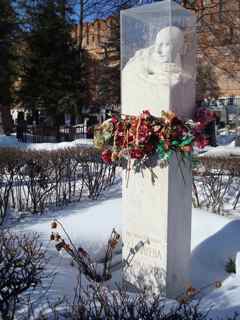
And then there was the grave of Stalin’s second wife –  Nadezhda – to whom he was married from 1919-1932.  Officially she died of illness, but the belief is she committed suicide after quarreling with Stalin.

Following the death of his first wife –  Ekaterina – who died of typhus in 1907, Stalin is reputed to have said at her funeral: This creature softened my heart of stone. She died and with her died my last feelings for humanity. Interesting to speculate how history might have been different had she lived.

Finally, the grave of Boris Yeltsin, memorialized by the modern-day Russian flag. When I was at university in the early 80s could I have envisioned the fall of the Soviet Union? In a single word – No.

yeltsin

How Yaktrax Changed My Life

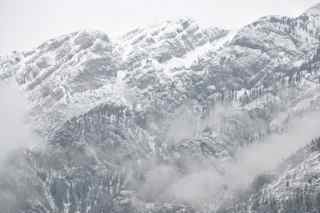
mountainI’m not sure anything can prepare a new immigrant for their first Canadian winter.

Example.

Mid-October, our first year here, some friends came round for Sunday brunch. As they were leaving, one of them sniffed the air and said, “I can smell snow.”

I laughed.

Two weeks later my wee boy had to wear a snow suit to go out trick or treating.

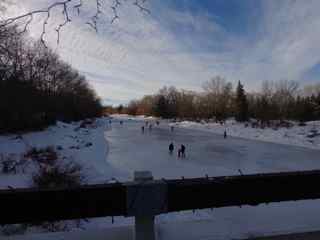
iceBut the snow couldn’t last forever, could it? So we bought our son a tricycle for Christmas. The first time he got to ride it outside? Easter Sunday, at a park downtown where all the paths had been cleared.

Come our second winter, I thought I was prepared.

Wrong.

On my way to a job interview, I slipped, fell, and broke my wrist. Bye-bye job. Hello phobia of snowy sidewalks.

I’d still go out walking in winter, but the fear that my bones wouldn’t make it through till spring intact lurked constantly in the back of my head. And at least once every winter, I’d do a serious nose plant. It got to the point where I couldn’t see the beauty of Calgary’s clear blue skies, bright sunshine and magnificent vista of the Rockies and would gladly have swapped it for rain, damp and drizzle.

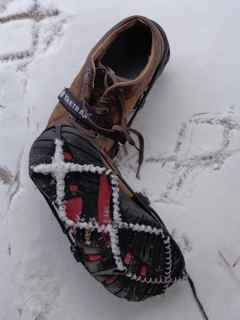
yaktraxThen, after almost thirty years here, I discovered Yaktrax. It’s no exaggeration to say they have changed my life. Yaktrax (and similar brands) cost about $30 from Mountain Equipment Co-op, slip over your shoes, and grip the ground like nothing on earth.

Now, as long it’s not colder than -10C (with no wind) you’ll find me out walking the dog, taking in that glorious blue sky, sunshine and scenery.

Winter? I love it!

Welcome to Canada!

London in Calgary, Alberta – Challenges 9,10 and 11.

Our ‘staycation’ is over and I was surprised by how many experiences/challenges we were able to closely replicate here in Calgary. For a city a fraction of the size of London, Calgary has a lot going for it. Still, there were two things in particular that I wasn’t able to replace, so they will have to wait until we manage the ‘real thing’.

Challenge 9 – A visit to the Herge Museum (Tintin) in Brussels. I searched around for some collectible shops which might specialise in Tintin ephermera but was unsuccessful. An option was to buy my husband some Tintin books (which I did) and watch the Tintin movie again (which we didn’t), but hopefully we’ll manage to get to Brussels next year.

Challenge 10 – We’d also hoped to visit The Harry Potter Studio Tour in London. As it turns out, there is a visiting Harry Potter Exhibition in Edmonton at the moment which would have fulfilled that particular challenge perfectly. Unfortunately we’ve had a lot of snow and bad weather here over the past few weeks and I didn’t fancy driving on the highway just for that. However, the exhibition is running until March 9th, so we might still manage to get up there.

Challenge 11 – It’s hard to visit Belgium or Northern France without taking in war museums or military graveyards. I discovered there is a cemetery here – Burnsland – which has many veterans graves from both World Wars. I had hoped to visit it this morning, but weather and events conspired again me, so it will have to wait for another day.  But I did wonder why we have so many veterans graves in a country that never experienced war on its soil?  The WW1 veterans were, I think, those who died back home in Canada of their injuries or from the Spanish flu. As for the WW2 veterans?  Sadly many of them were pilots and air crew, killed while training in the British Commonwealth Air Training Scheme.

In general, I would say our stay-cation was a great success. We saw many things which we didn’t know existed in the city and have a long list of things still to see and do. But the biggest lesson? No matter where one lives in the world, it’s easy to forget just how much your home town has to offer. No, we didn’t get to see the canals in Bruges this year, but when I’m out driving on Calgary’s roads, I just have to look to the west and an amazing vista of the Rockies – that thousands of tourists, some probably from Bruges and London, flock to see –  fills the horizon.

bow fallsmountins

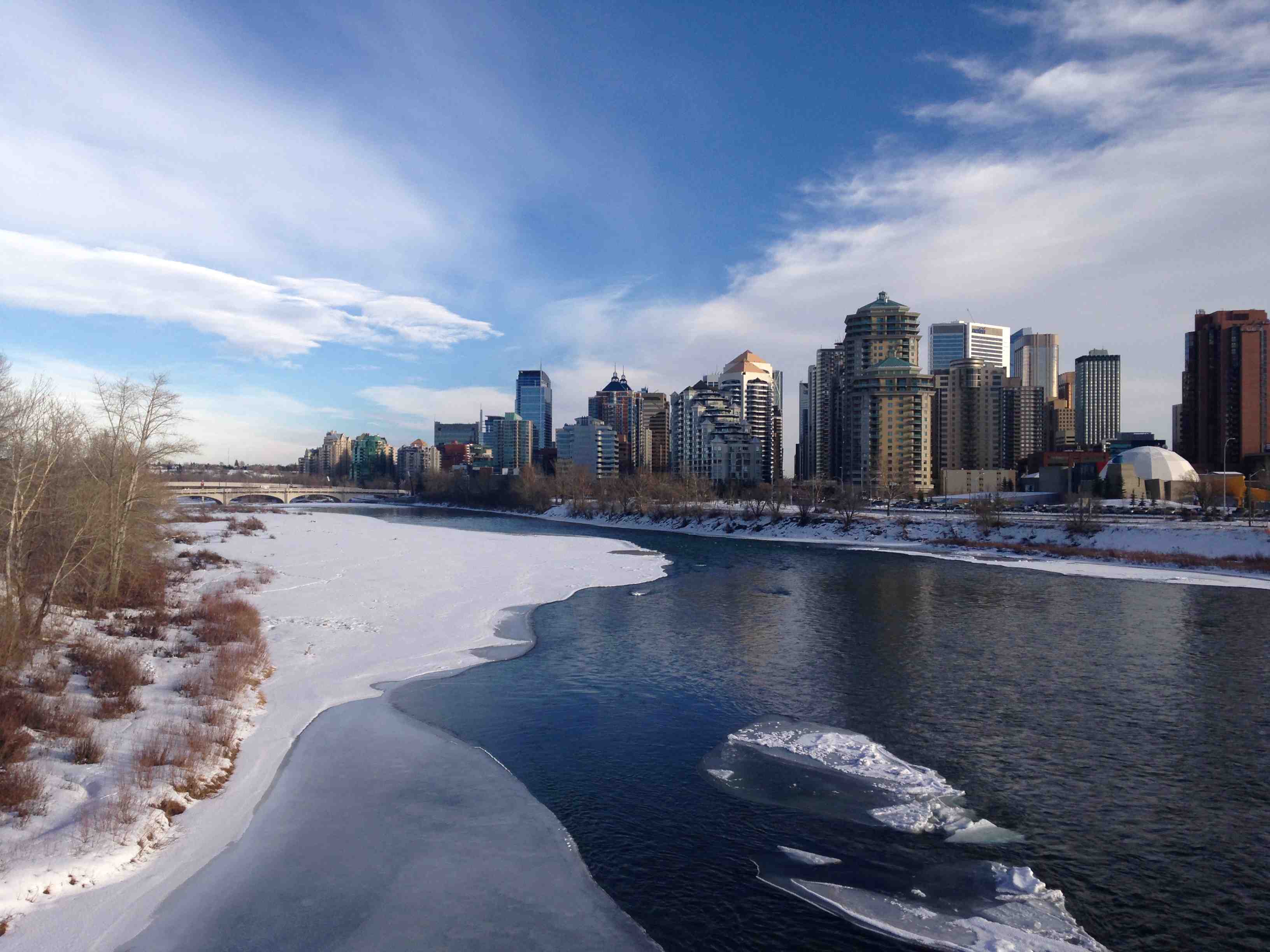
As for Calgary’s downtown… walking along the river, watching it steam as it ices up has to be a truly beautiful sight.

river picturecity halldowntown

London in Calgary, Alberta – Challenge 8

I’m not a religious person, but I love listening to church music. Not hymns or Christmas carols – the chart toppers, as my husband calls them – but more the plainsong and Gregorian chant of the early Christian church or sacred music of Mozart and Bach. That’s what draws me to churches like Notre Dame in Paris or St Martin-in-the Fields and St Paul’s Cathedral in London when I travel. To sit in such beautiful places and have those wondrous voices wash over me…

Would it be possible to find such music in Calgary? At this time of year there are plenty of carol services to be had, but that’s not what I wanted.

And then I discovered that The Cathedral Church of the Redeemer, in Calgary’s downtown, offers Vespers by Candlelight every Thursday evening at 6pm from October to March.

candle church

What is vespers? In monasteries, convents and churches, it’s the sunset evening prayer service which is usually sung.

On entering the church we were offered a candle and service sheet. The choir entered silently and sang –  without accompaniment – for twenty-five minutes before silently exiting. There was no sermon, no joining in from the audience, no need to read along with the service sheet, just the sound of beautiful voices singing in harmony and a wonderful sense of peace at the end of a busy day.

(Oh, and managing not to set fire to a prayer-book with my candle!)