Wartime Rations – Day Eight

My husband wasn’t exactly thrilled at the idea when I asked him to join me in my second week of eating wartime rations, but give him credit, he’s agreed to play along.  It helped, I think, that I told him he could ‘pretend to eat at the Savoy’ every lunchtime when he was at work and rationing would be limited to meals at home.  Still, he was a bit anxious when he walked through the door this evening to discover what his rations would be. Homemade burger, bubble and squeak, mashed carrots, followed by apple crumble.

Burgerapple crumble

Phew.  Relief.  He finished all his main course  – “I don’t remember my mum ever making bubble and squeak”  – and asked for seconds of the pudding.  (And there’s still some left over for my lunch tomorrow.)

When I did my food shopping for the week this morning, I discovered two things: 1) my bill was a fraction of the usual weekly cost. 2) I only shopped the ‘perimeter’, which is the healthiest way to shop.

The one thing that put my bill up was the meat for one of my dogs.  He’s very elderly (15) and reluctant to eat anything now unless it’s homemade. (He’s eating the equivalent of all my meat rations – and then some – in one day!)  It got me to wondering what happened to pets during the war.  When I did some research, it made for some very sobering reading. Over four hundred thousand dogs and cats were euthanized in the first few days of World War 2.

Humans aren’t the only ones to make sacrifices during wartime. If you’re ever in London, check out the Animal War Memorial in Park Lane close to the junction of Oxford Street and Bayswater Road. It’s a very moving tribute to those proud, beautiful animals.
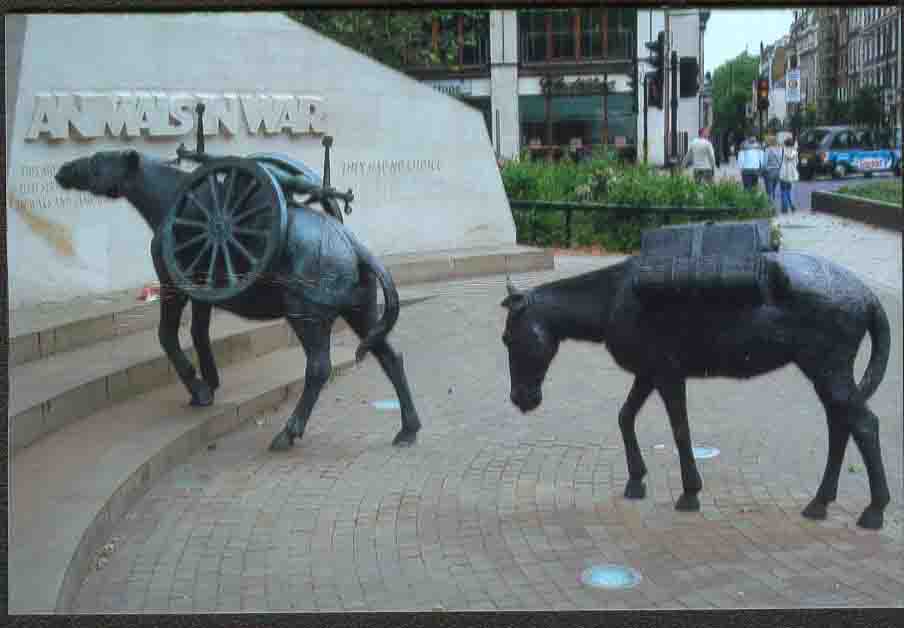
war memorial

To lighten the mood, and given my husband is lunching at ‘the Savoy’ all week, here’s an ‘eating out’ memory from Anne:

Restaurants were still open and supplied meals, but the plates were not well filled and if you didn’t get there early you would find most things scored off the menu, and were left with some sort of ‘savoury pie’ of mixed veg and herbs with a few breadcrumbs scattered over the top.  Then there were the ‘British Restaurants’ set up by the Ministry of Food; I never ate in one but the word went round that the meals were barely acceptable. Fish & Chip shops got a quota of fish and queues formed well before they opened; after it had been sold there were only a few sausages (mostly of bread) or meat-or-fish-cakes of dubious content.  After that it was chips with nothing.  The shops sometimes didn’t open at all – days when there was no fish on the market.  Fishing could only be done in near coastal waters and they didn’t always manage to catch anything.

I was still at school in 1939 and when I was evacuated the school was many miles away so I had to eat in the school canteen – not very inspiring.  I can remember macaroni cheese without much cheese and being many times faced with a plateful of mash alongside a small piece of Cheddar and some over-boiled cabbage, often followed by semolina with a dab of jam in the middle.  But we ate it all.
Wartime Rations – Day Seven

Here in Canada it’s Mother’s Day.  My daughter and her husband invited us round for a glorious brunch, and there was no way I was going to insist, ‘I can only eat wartime rations’. Still, I might have felt a bit guilty about it had I not come across the following book. It appears that not quite everyone during the war was ‘In it together‘.  At least, not if you had money. So today I’m ‘pretending’ I had breakfast at the Savoy.

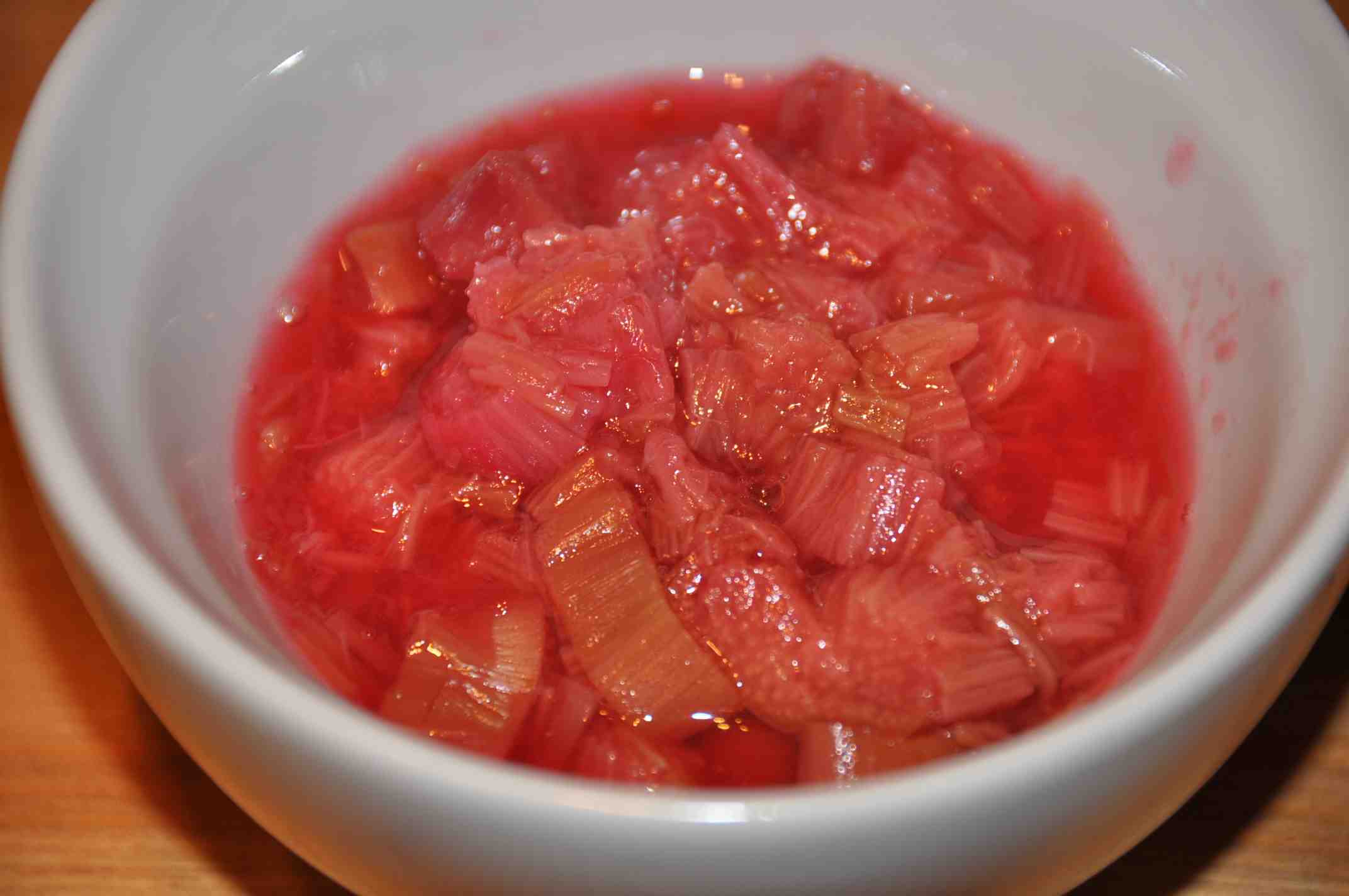
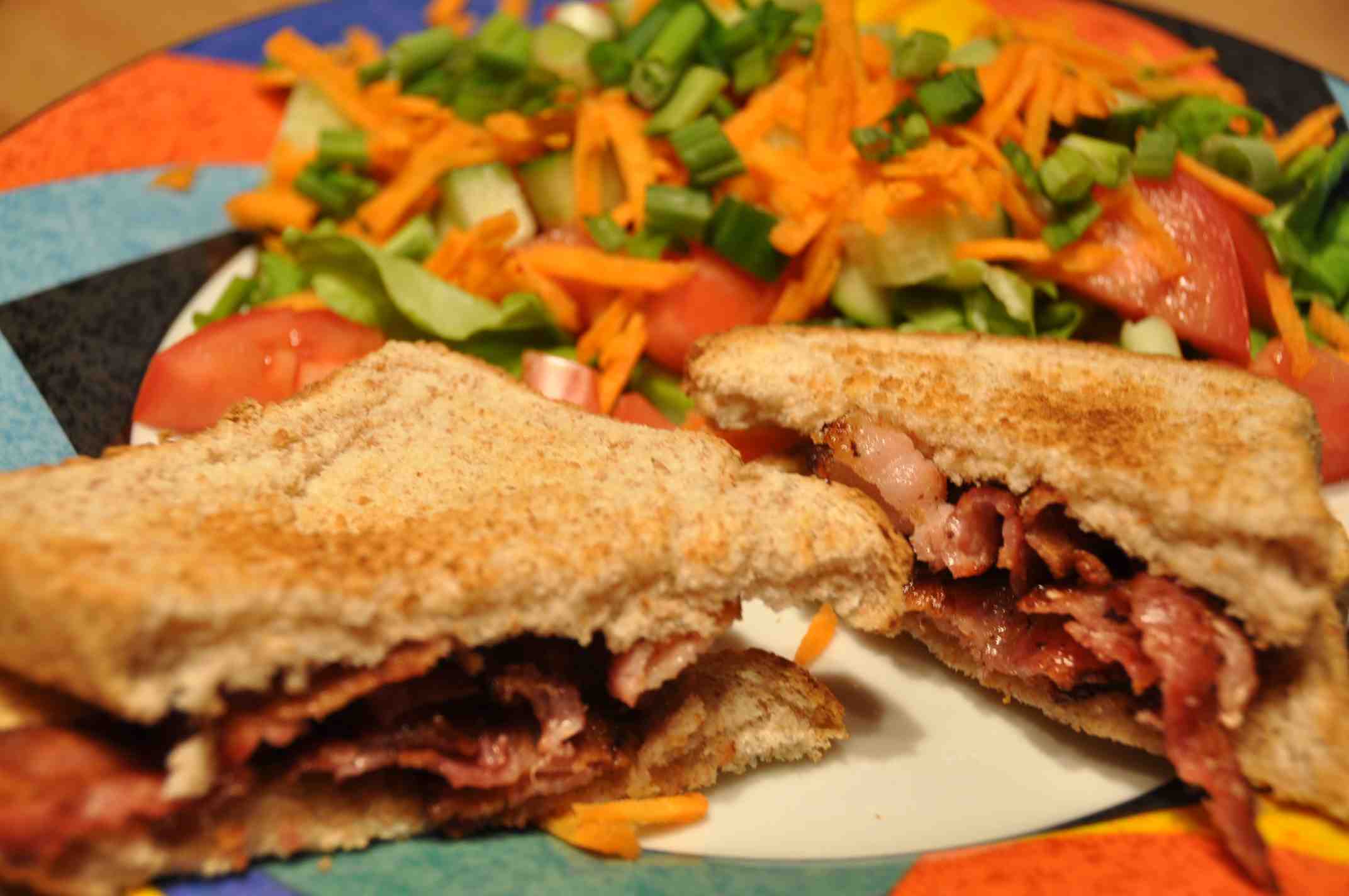
For dinner tonight… bliss.  A bacon sandwich, salad and stewed rhubarb.

Bacon Sandwich

The perfect end to the perfect day.

My original plan was to eat wartime rations for only one week, but I’ve decided to go for two as I feel I’m only just getting into the swing of things.  And I’ve persuaded my husband to join in – sort of.  He’ll be eating lunch out while he’s at work – just as people ate out during the war without it affecting their rations.  But if I can add his rations to mine then maybe I’ll have a little more flexibility in my food planning this week.

Besides, Anne still has some great memories to relate.

In the light of having a ‘luxury’ day, here’s one about the time her big brother brought home such a treat.  Known to the family as Alex, his professional name was Percy Huggins.  If there are any golf aficionados out there, they might recognise him as The Voice of Scottish Golf from the 50s through the 70s.

Alec & Anne  crop

After Alex had done many, many more than the stipulated number of bombing flights he was transferred to the Azores on anti-submarine patrol.  Here there were bananas, and when he came home on leave (after VE Day), managed to bring us a few – Mother made sure their skins were put right on top of the rubbish bins so that when the lid was lifted the dustmen could wonder at them!

Wartime Rations – Day Six

It’s been a really busy day, so here’s a quick catch-up.

Joy, oh joy!  After a week of porridge for breakfast, this morning I sat down to a boiled egg and toast.  Protein  – for breakfast  – yayyy!    Lunch was leftover beef hot-pot and crumble from yesterday.

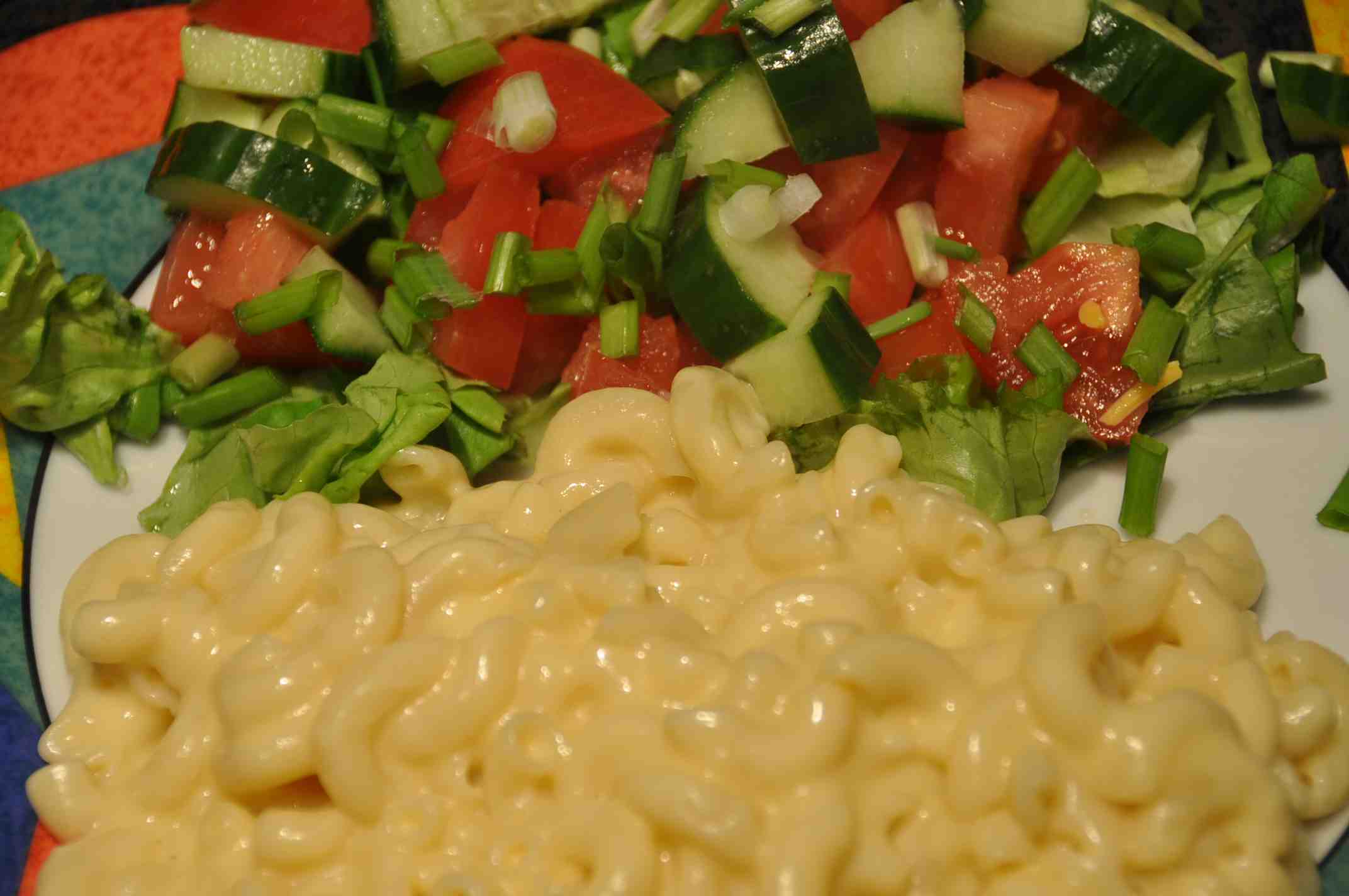
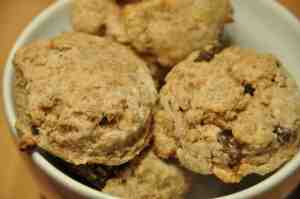
MacaroniScones

And this evening?  A huge plate of macaroni, salad and some warm home made scones with butter and jam. What more could anyone ask for, really.

Memories from Anne:

In summer, Mother bottled anything that could be bottled, and winters would have been very dull without the tomatoes, plums, beetroot etc that she’d done in the summer.  These things disappeared from shops once their season was over – very little fresh stuff was imported.  Finding sealable jars was the problem; most factories were engaged on munitions and the servicemen’s needs and shop windows were pretty empty; so the jars were handled very gently.  Remember, this was a time before fridges and freezers, so bottling was really all the preserving you could do.

If you have any family memories you would like to share of the Home Front in World War Two, please add them to the comment box.

Wartime Rations – Day Five

Britain declared war on Germany on September 3rd, 1939.  Although that declaration was followed by fighting in Norway and U-boat attacks on British ships in the Atlantic, so little happened for the next few months, that people in the UK started referring to it as The Bore War.

That all changed on Friday, May 10th 1940.  At 2am, the Germans invaded the Low Countries.  Three weeks later their grip on mainland Europe became absolute when the last soldiers of the British Expeditionary Force – including my dad – were evacuated from the beaches of Dunkirk.   It would be four long years before the British Army set foot on French soil again.

In 2009 I walked the 22 kilometre length of the Dunkirk beach with a friend. Unknowingly at the time, I took this photo of his dog tags very close to the spot where he actually stepped out on to the sands.

dunkirk beach

Getting back to my rations today.  No surprises when I tell you I had porridge for breakfast, eh?  Lunch was leftover Woolton Pie from last night with some Bubble and Squeak.  And then, treat of all treats – I had a piece of chocolate this afternoon.  My sweet ration is 3ozs of sweets/chocolate a week and I can’t tell you how wonderful that one single ounce of chocolate tasted.

Dinner was Beef Hot Pot and Beetroot (I’m really getting to like beetroot) followed by Apple and Rhubarb Crumble. Filling and tasty.

Rhubarb crumble Beef hotpot

A friend was telling me about how her father, who grew up in the countryside on the Isle of Wight during the war, was able to eat an egg for breakfast every day. When he got married and moved to the mainland, he was quite upset to discover his ration was now down to one egg per week – if they were even available.   When I mentioned this to Anne, she told me the following story.  I’ve never heard it before, and I think it’s a classic.

From Anne.

About the man from the IoW and his eggs – Yes, I’m sure that country folk fared better than us townies.  It isn’t easy to raise chickens in a city tenement, or to pot a rabbit or a pheasant with a shotgun.  Once when I was wandering alongside a stream in Kippen I came across a shot pheasant, dead but still warm, grabbed it and hid it under my coat till I got back to the house.  Mary (my mum) said she had no idea how to start preparing it so I’d better get on the bus to Glasgow and take it home.  Once there, I got the job of stripping off the feathers and then Mum, Dad & I had a good meal.  Took some of the best feathers back to Kippen to play cowboys and Indians.

Wartime Rations – Day Four

Dinner tonight (after my usual breakfast and lunch) was Woolton Pie.  Trust me, an hour ago, things weren’t looking good on the cooking front.  I’ve never been great at making pastry, so attempting potato pastry for the first time… Let’s just say, I think it will take a bit of practice.

Woolton pie

But then, when I actually sat down to eat, things improved.  I certainly can’t complain about being hungry eating wartime rations.  In fact, I couldn’t finish my meal tonight, not because it tasted bad  –  despite how it looked, it ended up being pretty good after all – but because there was so much of it.

Britain faced several hard years of austerity after the war when even bread and potatoes became rationed, but after that, slowly  – slowly – things started to improve, although it wasn’t until July 4th, 1954 that rationing finally ended.  Fourteen years of rationing. Hard to imagine.

Which got me wondering when rationing ended in France and Germany, so I checked it out on Wikipedia: France in October 1945 and in Germany in 1950!  Can you imagine how galling that news must have for the British population. The Daily Mail newspaper commented, ‘Germany – the battered, shattered, defeated Germany – is to abolish rationing… Austrian shops are bulging with goods that the women of victorious Britain would like to see.’

Thoughts from Anne:

I married in the summer of 1947 and found myself with a kitchen when rationing was still quite severe.  At the butchers’, the butcher chose for you: he delivered a half pound of mince on Tuesday and two not very large lamb chops on Friday, and that was it for the week.  Rob came along in October 1948, but Blue Book rations had gone up a bit by the time he started having a little solid food – starting with fruit at about 3 months.  I can’t remember whether or not tins of prepared baby foods were available then or not, all I know is that I spent hours shoving fruit and veg through a fine strainer.

If you have any family stories of wartime rationing, please send them to me.  I would love to hear them.

Wartime Rations – Day Three – Ooops!

I think I mentioned in my very first post that I was on a steep learning curve with learning how to use this blog.  It now appears I forgot to push the ‘Publish’ button yesterday.  Sorrreee.

I’m having a lot of fun with my week of wartime eating and would like to acknowledge a few sources – in addition to my Auntie Anne – which have provided me with a lot of information.

The first is Marguerite Patten’s book  ‘We’ll Eat Again‘ based on wartime recipes. Most of the meals I’m eating this week are taken from her book.

The second comes from The 1940s Experiment.  This is a fabulous website and contains not just recipes but videos and stories of life of the Home Front.

Also, check out Foyle’s War.  Not only is it a great drama, but it addresses the challenges of daily life on the Home Front, including issues like rationing, food shortages and the Black Market.

As for today’s meals – except for my usual breakfast of porridge – it’s been a very ‘red’ day.

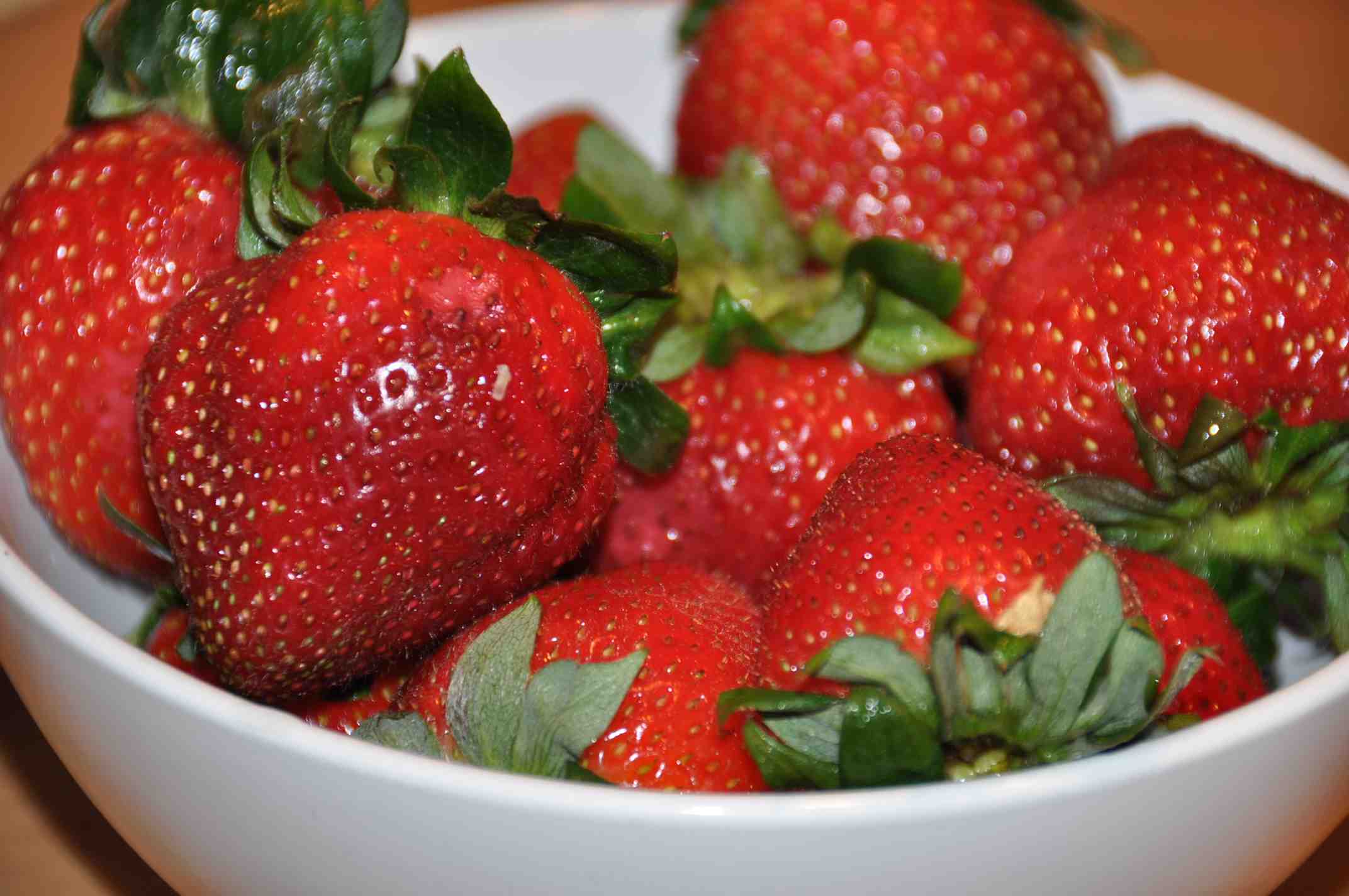
Lunch –  Borscht , a slice of bread and some fresh strawberries.

Strawberries Borscht

Dinner- I haven’t eaten three courses in one meal for ages, but tonight I was hungry, so I had Borscht, Cottage pie  (left over from last night) and Broccoli, followed by Rhubarb Crumble. The crumble was excellent and it was wonderful to have something sweet.

Rhubarb crumble

Some thoughts on sweet wartime treats from Anne:

Sweets and chocolate had their own coupons, for which I was quite grateful because I had ‘grown out of’ them at a fairly early age and so was able to sell them (big Black market dealer, me) and buy myself a treat in a cakeshop.  Similarly with clothing coupons (which also covered cloth and household linen).  I couldn’t afford much in the way of new clothes except for what Mother made, so got a good price from wealthier friends.

Much more than sweets, I missed the Italian ice-cream shops with their tiled floors and little booths with marble-topped tables with iron legs – I’ll never taste ice-cream like that again.  They all closed down when their owners and families were interned.  I understand that the majority were released after a few months when ‘investigations’ were completed.  There was an interesting TV programme last year about internees: many/most? were taken, along with Austrians, to the Isle of Wight and housed in what had been boarding houses.  They had left a lot of their art behind.  Apparently they had only been there for days before ex-professors and teachers among them were holding classes in everything you could think of, and people were sketching, painting, learning maths, new languages, singing – you name it.

Wartime rations – Day Two

The one thing I’m learning really quickly is that with such a limited ration of protein available, you definitely need to be organised to eat a wartime diet!  Not like these days when you just dip into your freezer and nuke dinner on a whim.

Today’s breakfast and lunch were much as yesterday, so no pictures for those.  However, I did add some chips/fries to my lunch as I met with a friend to go to a movie (the pictures!) this afternoon and knew I wouldn’t be home till late.

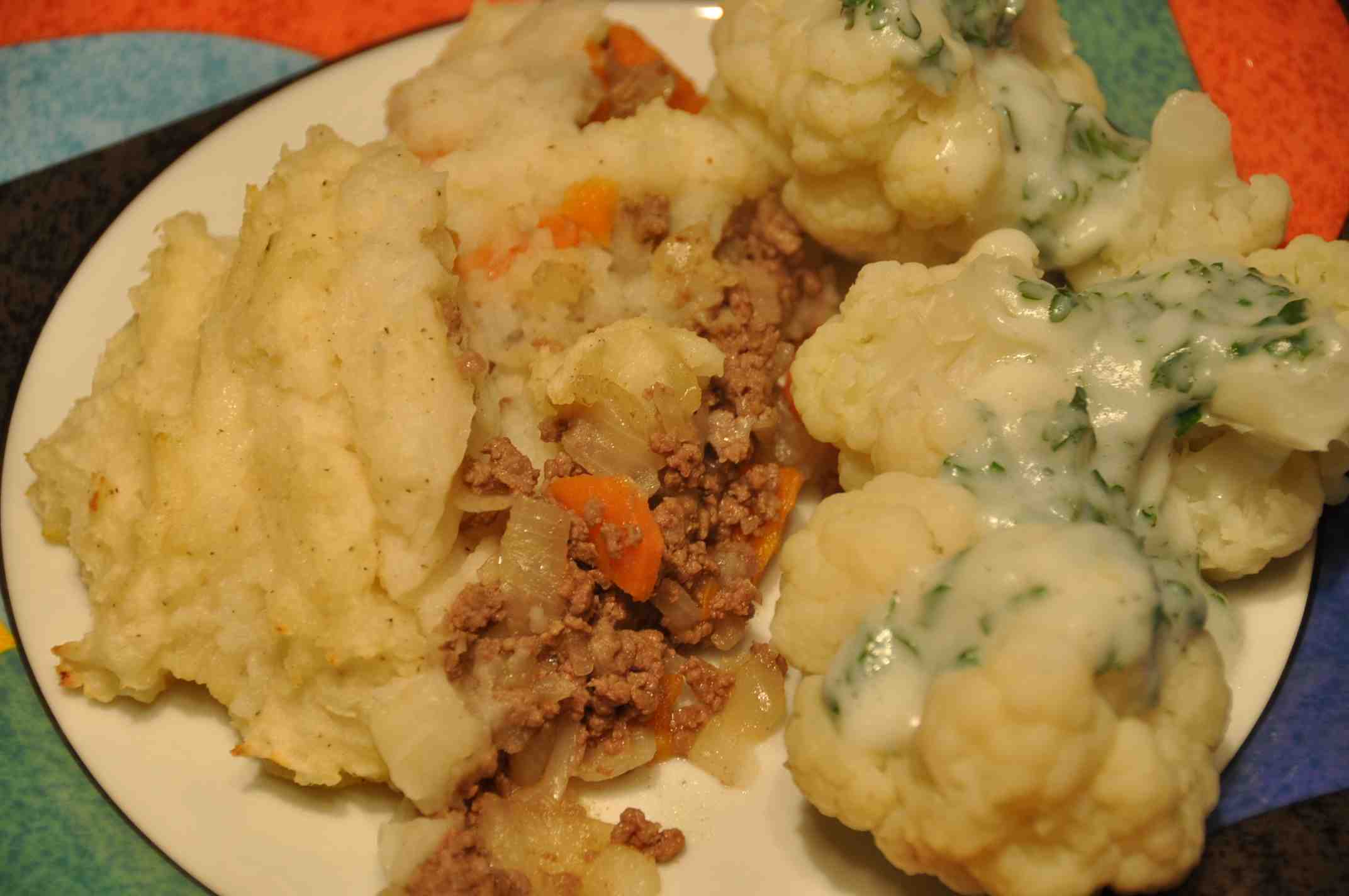
Dinner was supposed to be Woolton Pie – a dish created during the war – but wouldn’t you know it, I didn’t have the right veggies in.  So, it was soup from yesterday, followed by cottage pie and cauliflower with parsley sauce.  It looks a bit pallid in the picture, but tasted good, so with plenty pie left over for tomorrow, I’ll need to come up with more colourful vegetables to make it look a little more appetising.

cottage pie

Some conflicting memories of a particular wartime experience now, and for the fiction writers out there, an important lesson in age appropriate characterization.

Although they spent most of the war in the countryside, my Mum, Anne (who was 12 years younger than my mother) and my brother were in Glasgow during the Clydebank Blitz.

According to Wikipedia, over two nights, 528 people died, 617 were seriously injured and hundreds more injured by blast debris.  Out of approximately 12,000 houses, only 7 remained undamaged, with 4,000 completely destroyed and 4,500 severely damaged.  Over 35,000 people were made homeless.

My grandparents lived in a flat in Byres Road.  During those horrific raids, my grandmother pulled all the mattresses into the hallway – well away from the windows – for the family to sleep on.  If they were going to be killed, Mum said, they were going to die together.  It always brings me to the verge of tears when I think of that; my grandmother facing the possible loss of her whole family and my mum being unable to protect her infant son.  I can’t imagine the horror.

That’s an adult account of that experience.  Now here’s Anne’s .

A couple of years ago I was invited by the local junior school to talk to groups of children about wartime, and got many, probably enforced, thank you letters from them.  From these it was obvious that the bit they liked was when I confessed that during the Clydebank Blitzes (I was about 11/12) we had all gathered in the ‘safest’ place in the house but I several times made an excuse to go to the bathroom so that I could see the searchlights and the glow of the fires.

Oh, the wondrous resilience and fearlessness of youth!

If you have any stories of the war, I would love to hear them.

Day One – Part 2

I am neither the best cook in the world nor a particularly organised person.  Put the two together and…  I’m beginning to feel like the girl on Youtube’s My Drunk Kitchen, only without the ‘drunk’ bit.

1) I carefully measured out all my meat rations on Sunday morning and put them in the freezer. I needed one single piece of bacon for tonight’s liver, but it was frozen solid in a block of two.  Ah well, at least I had enough dripping for the Bubble and Squeak.

2) Dessert tonight was supposed to be rhubarb crumble. In deference to my health, I’d decided to go with margarine made with olive oil rather than animal marg or lard.  Weellllll… you can’t make crumble with that kind of marg,  so it was stewed rhubarb for dessert instead.  I’m going to have to exchange my rations at Safeway tomorrow.

3) I put the liver bake in the oven and forgot to set the timer.  Duh!

Anyway, I survived and this was tonight’s menu.

Liver Bake, (liver, onions, apple, bacon, seasoning), Bubble and Squeak (mashed potatoes, cabbage, spring onions, and Carrots.  The liver actually tasted much better than I expected  and I can see myself making this again in the future. As for the Bubble and Squeak – I could LIVE on this.  It was wonderful!

Liver Bake Stewed Rhubarb

Stewed Rhubarb.  I haven’t had this in years and it was delicious.  As soon as I took my first spoonful it brought back memories of the rhubarb sponges my mum used to make when I was young.

So that’s Day 1 done. This is probably the healthiest I have eaten in a long – long – time, and I’m feeling very satisfied.  Day 2, here I come, but before that, a final thought from Anne.

Everything outside the staples, incl. tinned foods, biscuits, dried fruit, coffee etc needed coupons called ‘Points’ and you could choose what to use them for, but again, a tin of apricots would make deep inroads into your allocation of Points, while a tin of meat or fish would probably use a month’s allocation.  In theory you could spend Points in any shop, but were likely to be met with,  ‘Sorry, registered customers only.’

Day One – Part One

Breakfast didn’t start off too well!  I got a bit distracted by my 21st Century e-mail and burned my porridge. However, in the spirit of ‘make do and mend’, I scraped the good stuff into another pan, added some water and heated it up.  Served with milk and sugar it tasted fine.

SoupOslo meal

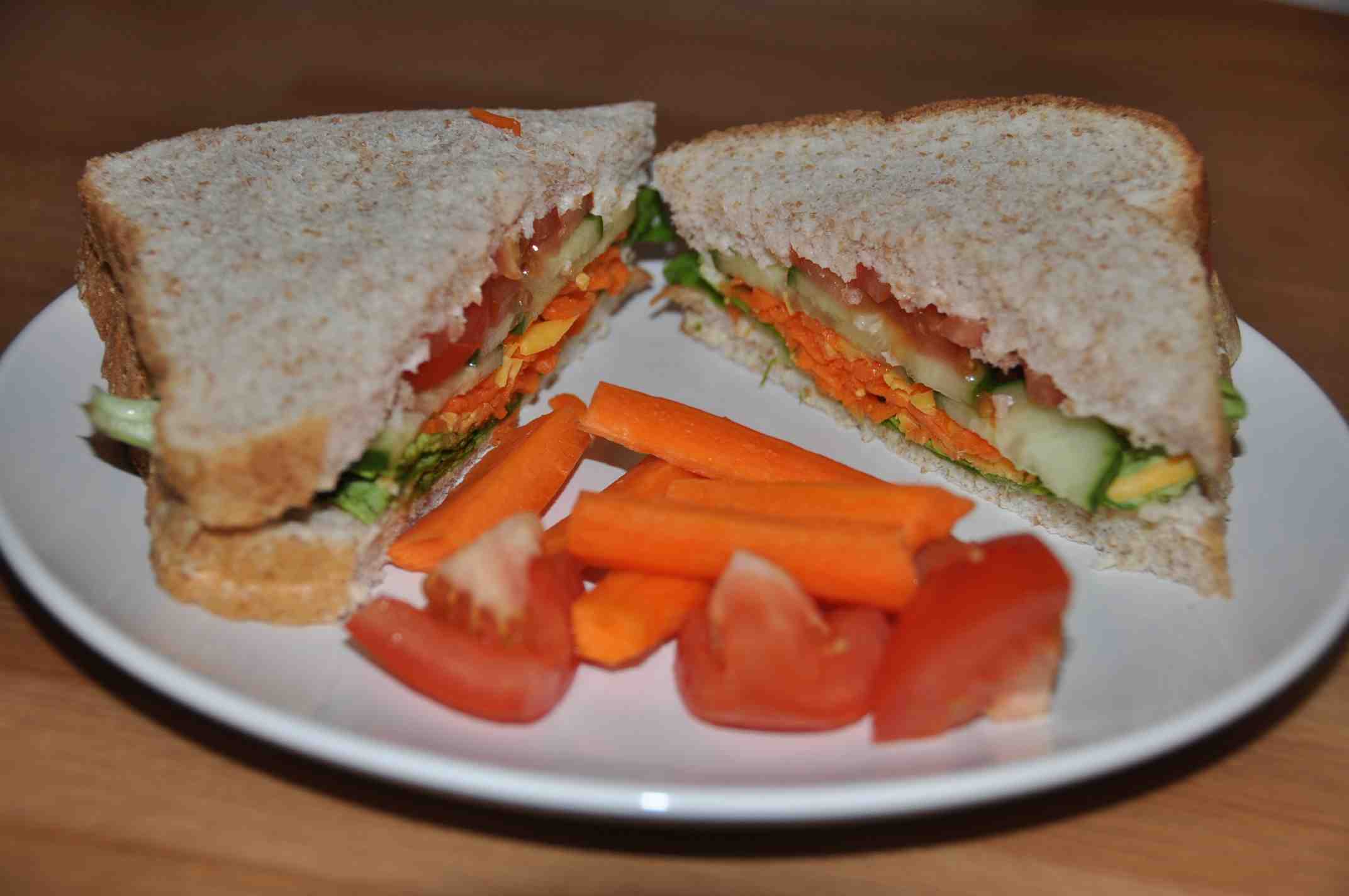
Lunch was a bowl of homemade soup and an ‘Oslo’ meal.  During the war, this was used to described a wholemeal sandwich with a little cheese and salad filling, a glass of milk and piece of fruit in season.  I just went with the sandwich as I was having soup.  (Saving up my milk ration for a rice pudding at the weekend!)

For dinner tonight – ah, that delicacy has still to come.  My husband is eating out tonight, so for the first time since we got married (last century and then some!) I’m going to have cabbage and liver.  Cabbage and Liver!!  Wish me well.  But before then, here are some more memories from Anne.

Bread and potatoes were never rationed till after VE Day, but wartime bread was always tasteless and grey in colour, so looked unattractive.  When I was in Kippen (she was evacuated into the Scottish countryside ) we were several times taken out of school to help with the tattie-howking.

There were no choices, no brands on rationed goods – everything was put into the melting pot and labelled National Butter, National Cheese etc.  You had to sign up with one grocer, one butcher etc so you knew, for instance, that there was no point in joining a queue at any other butcher who showed a few kidneys (not rationed, neither was offal) in his window; he would turn you down flat because you were not one of his ‘registered customers’.  Other off-ration protein was tripe and we ate a lot of that – OK if you had onions.  Eggs were few and far between, sometimes none for weeks at a time – Eastertime of course, there were more around. Then there were dried  eggs: yellow powder in brown waxed cardboard boxes: only suitable for cooking with really, though if you weren’t too fussy and had spare milk you could concoct a sort of scrambled egg.

Wartime Week of Rations

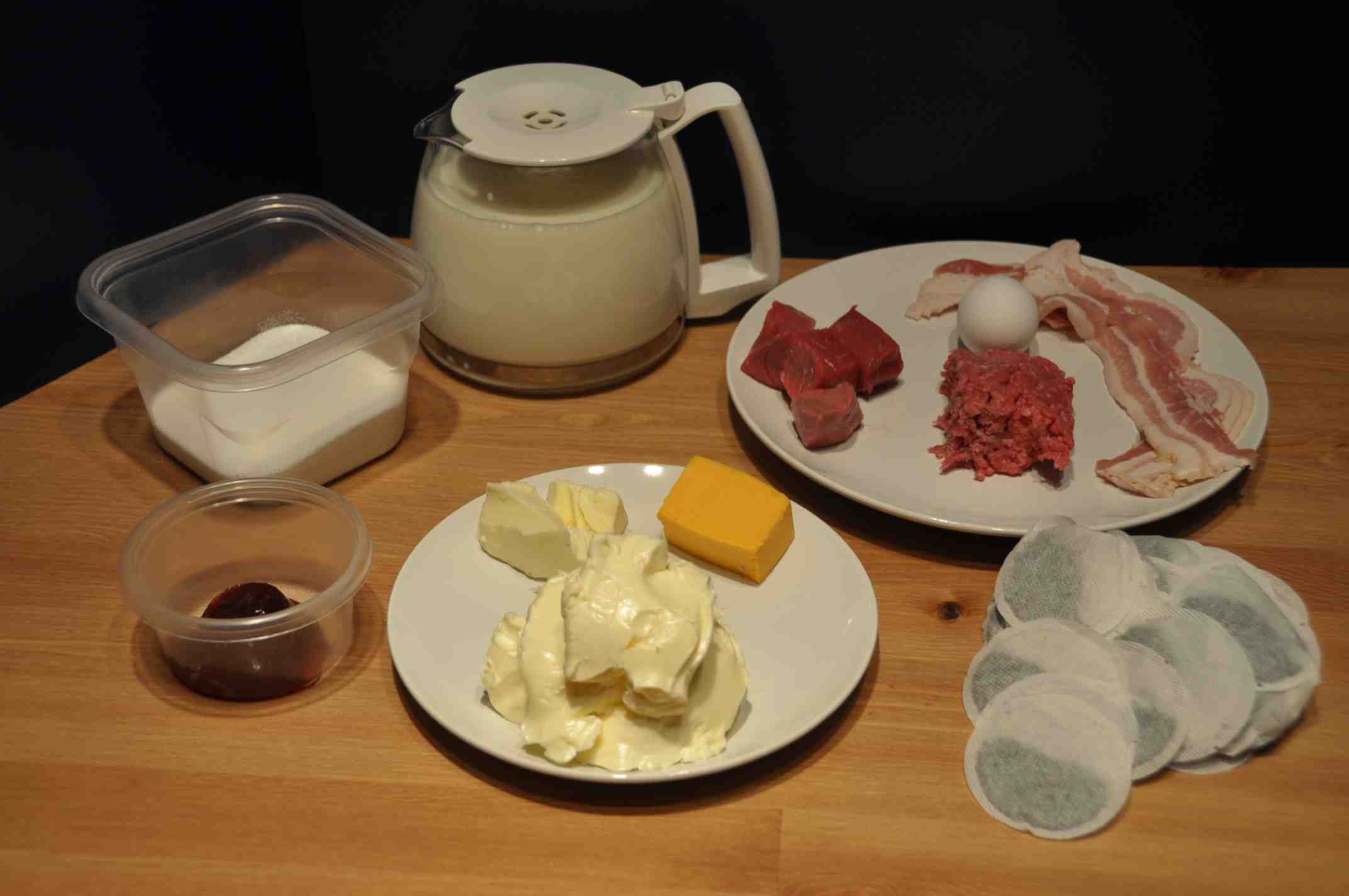
I’ve just been down to the supermarket to collect the rations for my week of eating wartime food – starting Monday morning – and here they are!

ratiions

Bacon – 4 oz

Meat – 8oz

Butter – 20z

Margarine –  8oz.  (It was supposed to be 4 oz each of marg and lard but I couldn’t find lard.)

Cheese  – 2oz.

Milk – 3 pints

Sugar – 8oz

Jam – 2oz

Tea – 2oz (I read somewhere it was 15 teabags, but I measured out 23!!)

Eggs: 1

I haven’t been able to pick up any dried eggs yet… and I’m going to hold back my sweet ration (3oz) till the weekend.

My aunt reminded me that I can only eat UK veggies and fruit in season.  I am so out of touch with seasonal foods that I had to go online to check what they are for May.

Veg: Asparagus, Cauliflower, Beetroot, Cucumber, New Potatoes, Purple Sprouting Broccoli, Radishes, Spinach, Sorrel, Spring Greens, Spring Onion, Watercress and Lettuce.

Fruit: Rhubarb, Gooseberries (Yuck!!), Strawberries.

Carrots, onions and apples don’t appear to be in season, but I’m going to be adding them to my list, otherwise I’d be stuck!  Also, I can eat as much bread (brown) as I want, although it must be at least one day old. (Apparently fresh bread encourages one to eat immoderately!)

To bring a slice of authenticity to this experiment, here are some wartime memories from my Auntie Anne who grew up in Glasgow during WW2.

Civilians were, on the whole, pretty good about food shortages, feeling that it was more important for the soldiers and sailors to get enough to stay fit and fight on, but home fare was pretty drab and monotonous.  Dad, taking on two allotments at the age of 70+ was a hero really, since there were always fresh veggies on the table, and later he also kept a few rabbits – I’m not sure about chickens, but I think so: my memory is a bit hazy.  And I think he enjoyed it in many ways, not just that he was doing his bit, but for the satisfaction when he brought home his produce.  He had to carry his tools to the tramstop, both ways, every time he went, but later put up a small shed – NOTE THAT nothing was ever stolen – neither tools nor mature veg: they were more honest times.

So now I’m ready to go.  Roll on Monday morning.  I’ll publish a post tomorrow evening to let you know how I fared on Day 1.