WW2 Month of Rations – The ‘Rules’.

1) Despite food being rationed during WW2, it didn’t mean rations were always available in the shops.  If there were no eggs available one week, it didn’t mean that you got 2 the following week. However, for the purposes of this challenge, I’m going to assume that all my rations are available.

2) I’ve figured out our weekly ration allowance and am coming to grips with the point system. From our 16 points (each) for January, I’m going to allow ourselves one tin of peas and one tin of golden syrup.

3) I’m going to assume I have some basics already in my cupboards: 8 oz of lentils and 8 oz of sultanas left over from the previous month’s point allowance, plus some bisto, mayonnaise, dried ginger etc.  Also, I’ve been told by a friend’s mother, who was a housewife during the war, that flour (wholemeal) and oatmeal were freely available off ration, so I will be making the most of them!

4) We’ll eat only fruit and vegetables in season in the UK during the war.  For January, that means – beetroot, Brussel sprouts, cabbage (yuck!), cauliflower, kale (double yuck!!) leeks, carrots, parsnips, potatoes, red cabbage, turnips, carrots, apples and pears.  Hmmm – no sign of onions in there, and I know there were long periods when they weren’t available during the war.  As I’m not a gardener who would have Dug for Victory, how will recipes taste using leeks instead of onions?  I guess I’m going to find out!

5) Factories, offices and schools provided un-rationed meals for workers and school children. In addition, a system of ‘British Restaurants’ was set up to provide a filling three-course meal to the general population for the modern equivalent of about 1.50GBP or $3. Statistics suggest that people ate out about 4 times a week during the war, which gave housewives a happy respite from struggling to come up with interesting meals on the ration. My husband is participating in this programme (for the first week, at least) so he will be able to eat lunch out on weekdays. If I go out for lunch, I will ensure I eat only wartime food – eg fish and chips – available at the British restaurants.

6) Wartime propaganda might have suggested that everyone was ‘in it together‘, but as is always the case, those people with money continued to eat better than most of the population. (When I ate wartime rations back in May, I referred to it as ‘Eating at The Savoy.) The only restriction in the high-class hotels was that meat could only be served for one course.  So… as my husband and I have an office winter party coming up at the end of the month, we’ll be ‘Eating – and drinking – at The Savoy’ that night!

Tomorrow, I’ll provide a list of the references I’ve used for this challenge.
Wartime Rations

Back in May last year, I spent a fortnight eating World War Two British rations. It was a great experience and I’ve decided to repeat it for four weeks this January. My initial instinct was to start on January 1st, but we have so many leftovers from Xmas/New Year it would go against the wartime spirit of eliminating waste – it was illegal to waste food –  so I’m going to start on Monday, January 6th and will finish on Sunday February 2nd.

My husband has agreed to join in – at least for the first week. (When he discovers that the main vegetable available in the winter months was cabbage, he might change his mind.) Until then, I’m going to spend the next few days explaining the ‘rules’ and how I plan to structure my posts.

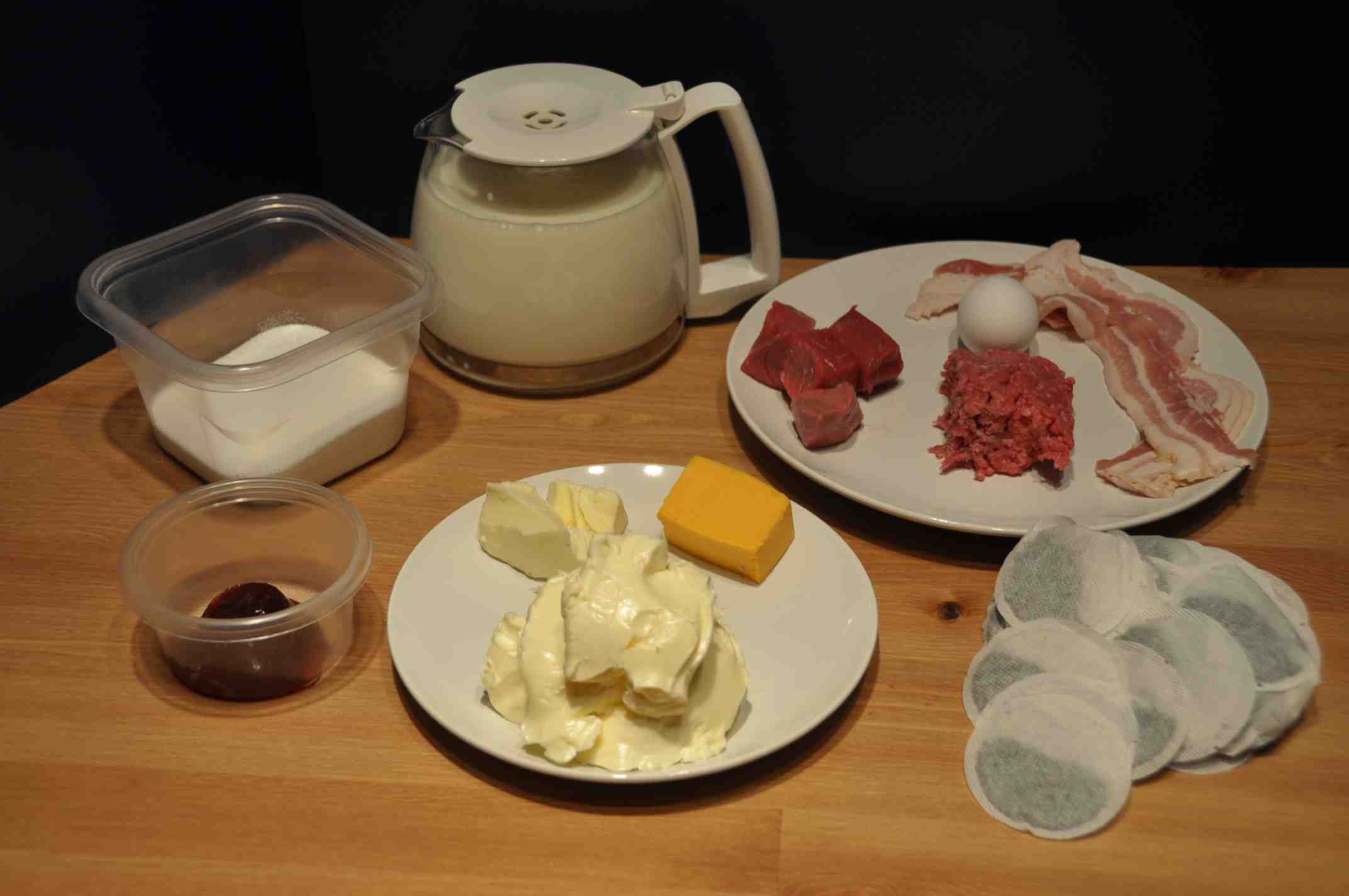
Rations varied throughout the war – and didn’t end until 1954! – but I’m going to adopt the same rations as last time. The foods that were rationed were mostly dairy, meat, sugar and tea.  Un-rationed foods included vegetables, bread, fish and offal (when the latter was available). There was also a ‘points’ system with each person getting 16 points a month. In general 16 points could buy you – for example – 1 can of fish or 2 lbs of dried fruit or 8 lbs of pulses.  Certain foods  – eg bananas – were not available until long after the war ended.

ratiions

Rationed food per person per week: (Just because it was rationed didn’t mean it was always available!)

Bacon – 4 oz

Meat – 8oz

Fat:  10 oz.   2 oz butter, 4 oz margarine and 4 oz of lard, but I’m going to use all butter.

Cheese  – 2oz

Milk – 3 pints

Sugar – 8oz

Jam – 2oz

Tea – 2oz (I read somewhere it was 15 teabags, but I measured out 23!!)

Eggs: 1 shell, 3 powdered.

London in Calgary, Alberta – Challenge 2

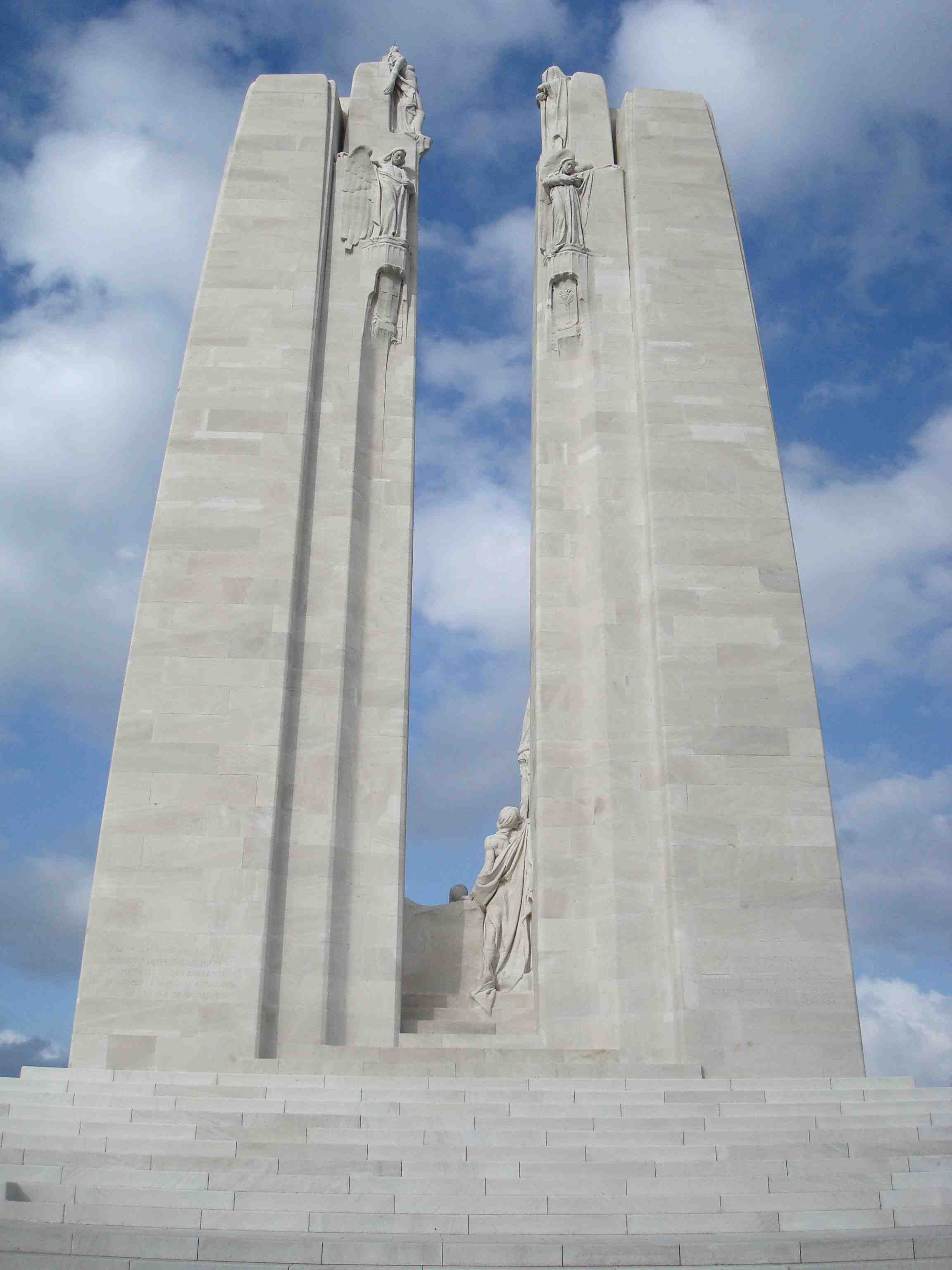
Anyone who knows me knows I have a fascination with stories of women’s experiences in the wars of the 20th Century. My husband has an interest in naval history, so this means that most trips back to London involve a visit to the Imperial War Museum in Lambeth or the National Army Museum in Chelsea to see their latest exhibitions. And having planned to visit Belgium this December, we’d also looked forward to visiting Vimy (France) and some private military museums en route.

Vimy

So, can we replicate that in Calgary?

Damn straight we can!

Tank

Part of the ‘rules’ we created for ourselves with this challenge was that we could only visit a museum we’d previously visited if there was a new exhibition… or if we hadn’t been there in the past decade!

Museum2Museum1

This afternoon found us at the The Military Museums in Calgary  –  we hadn’t been there since they’d opened their Air Force display, so it met the rules  – and I learned a whole load of things. For example, why is the RAF uniform blue?  Because it reflects the blue of the sky, right?  Wrong! When the RAF was formed on April 1st 1918 they needed uniforms, but after four years of war, cloth supply in the UK was in short supply.  So they turned to Russia and bought material which had been earmarked for the Russian Cavalry until the Tsar was deposed and Russia signed a peace treaty with Germany in 1917.  And what colour was that material?  You guessed it.  Blue!  And blue it has remained ever since.

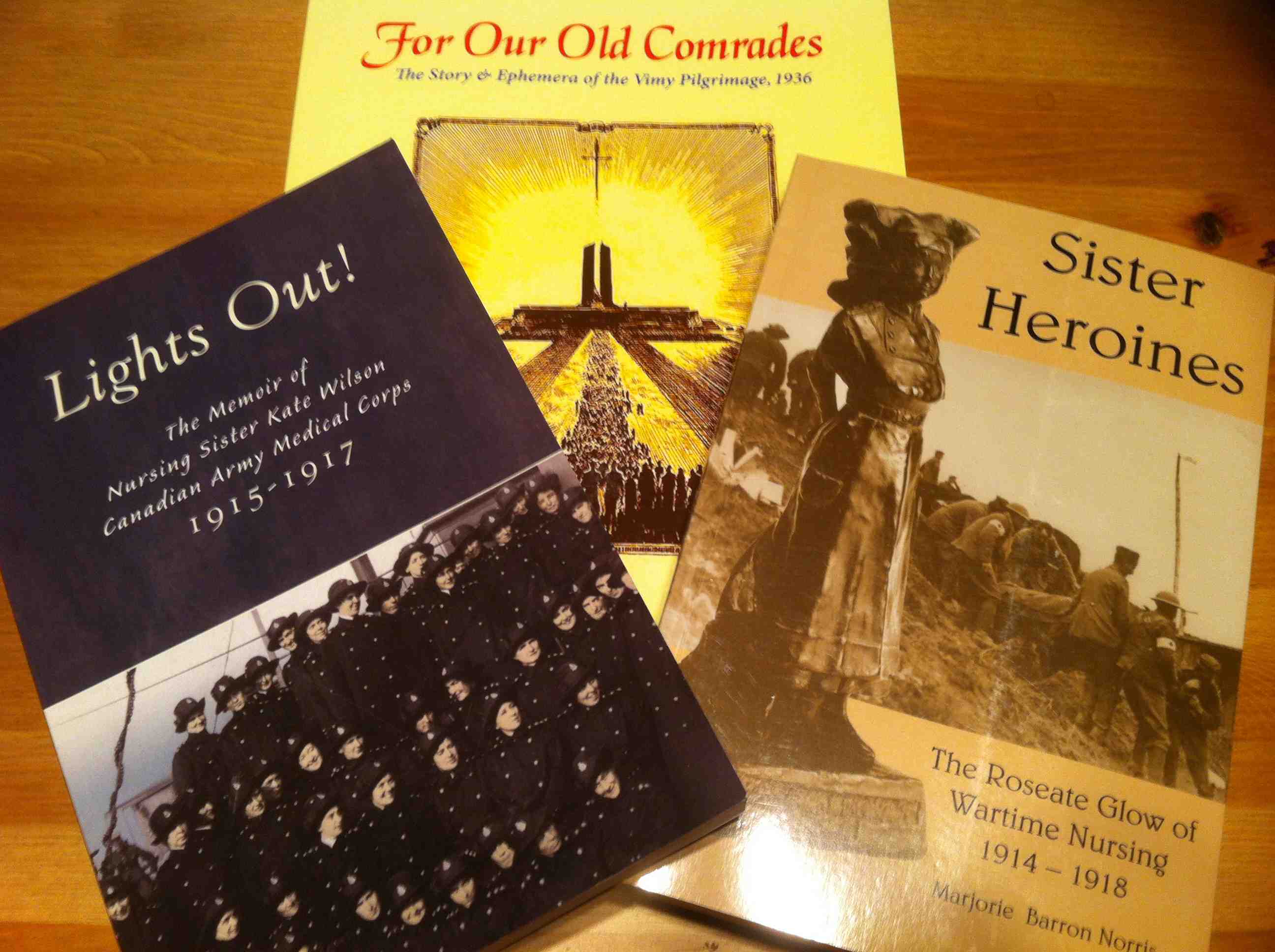
Having visited the Air Force Museum I have to confess that we wandered into the Naval Museum. As a former QA, I’m always curious about the nursing uniforms of other services, and I have to say that I think the Canadian Navy Nurses of WW2 had the most beautiful of them all.  You can’t see it properly in the photograph, but the dress is a deep burgundy with a navy blue cloak lined with gold satin.  Stunning!  (The blue uniform to the side is the WRCNS summer dress.) Needless to say, I picked up a few books at the museum’s gift shop!)

Nurse's uniformBooks

(Oh, and it turns out the museum has the most amazing archives. The librarian was extremely helpful and I made a huge leap forward in my History Mystery with my aboriginal soldier in Glasgow – but I’ll save that for a later post.)

But a holiday isn’t a holiday without different food, is it? I’ve struggled to find many Belgian restaurants in Calgary, but there is a Dutch Pancake House close to the museum, so we went there and had the-most-delicious potato/cheese/bacon pancake!

Pancakes

Bon appetit!

Remembrance Sunday

My Dad, who served in WW2, was one of the 350,000 soldiers rescued from the beaches of Dunkirk in May 1940. Thereafter, he attended church for only one of 4 reasons;  Baptisms, Weddings, Funerals and Remembrance Sunday.

The Saturday evening before Remembrance Sunday, we’d gather around the TV as a family to watch the Festival of Remembrance from The Royal Alberta Hall in London.

Then, as now, the two minute silence and falling of the poppies, each one representing a soldier (male or female) who perished in a British War, remains one of THE most profound ceremonies I have ever witnessed.

Dr. Elsie Inglis

After training at The Royal Infirmary of Edinburgh, newly qualified Staff Nurses usually headed to Simpson’s or The Elsie Inglis to do their midder training. As RIE student nurses, we’d been taken to the room where Sir John Simpson had ‘discovered’ chloroform, the wonder drug which would be used to induce anaesthesia in childbirth.  (Simpson and some of his medical friends experimented with the drug one evening – Simpson was the first to wake up next morning so he got to claim the discovery.)

But what of Elsie Inglis?  What was her story?

Born in India in 1864 to supportive, liberal Scottish parents, Elsie Inglis attended the newly founded Edinburgh School of Medicine for Women, before completing her training at the Glasgow Royal Infirmary.

After working at Elizabeth Garrett Anderson’s ‘New Hospital for Women’ in London, and a maternity hospital in Dublin, she returned to Edinburgh where she opened a medical practice. An active suffragist, she was horrified by the lack of medical care available to women, and opened a maternity hospital and midwifery centre in 1894.

When World War One broke out she approached the British War Office with the idea to set up a Scottish Women’s Hospital to care for the soldiers fighting overseas.  ‘My good woman,’ came the response, ‘go home and sit still!

Undaunted she approached the French who were much more sympathetic. Funded by the Women’s Suffrage Movement, these all female staffed hospitals sent teams to France, Serbia, Salonika, Romania, Malta and Corsica.  Captured in Serbia in 1915, Elsie Inglis was repatriated to the UK where she then created and led a new team to set up a Scottish Women’s Hospital in Russia.

When Elsie Inglis died of cancer in 1917, Winston Churchill said of her, ‘Inglis and her nurses will shine in history‘.

In July 1925, the Elsie Inglis Memorial Maternity Hospital opened in Edinburgh with 20 beds. When it closed in 1988, it had expanded to provide 82 beds.

The Clydesdale Bank honoured Dr Elsie Inglis and her work by putting her likeness on their 50 pound bank note in 2002.

Forget-Me-Not

I’ve been a bit quiet on the blog front recently. No excuse, really. Just distraction.

Elona Malterre talked to The Alberta Romance Writers’ Association a few weeks ago on Writing The Short Story. She’s a multi-published author and one of the founding members of The Alberta Romance Writers’ Association. One of the comments she made really stood out for me: A short story involves unity of Place, Time and Action.

I’m probably not going to be blogging much next week. I’m hosting a writing retreat at my house next weekend, so between then and now I’m going to be busy cleaning, cleaning, cleaning! Until then, here is a short story for you to read, Forget-Me-Not.

I hope you enjoy it.

Bothered and Bewildered

You know that horrible feeling when you sleep through your alarm and spend the next few hours trying to play catch up?  Welcome to my day.

Here’s the thing… I’ve been planning on starting a blog for a while.  I’m going to be publishing  a series of books this autumn, and with that comes the requirement for a website.  A friend recommended it might be better to get the whole website/blog thing figured out beforehand so I can then concentrate on my writing.

Flash forward to today.  The perfect time, I decide, to start pulling my website together.  I’ll put in a few photos, a little bit of text, and then over the next week I can pull together a couple of blog topics before I push the ‘live’ button.

How was I supposed to know it went live as soon as you sign up?  They only had three TV channels when I was growing up!

So here I am, scrambling to introduce myself and this blog.  What’s it going to be about?  Three of my passions; the craft of writing, travelling and the history of the Second World War.  If you enjoy these topics, I hope you will join in the conversation.

Thanks for stopping by.

(Hmmm.  Maybe I’d better double check my alarm clock tonight.)